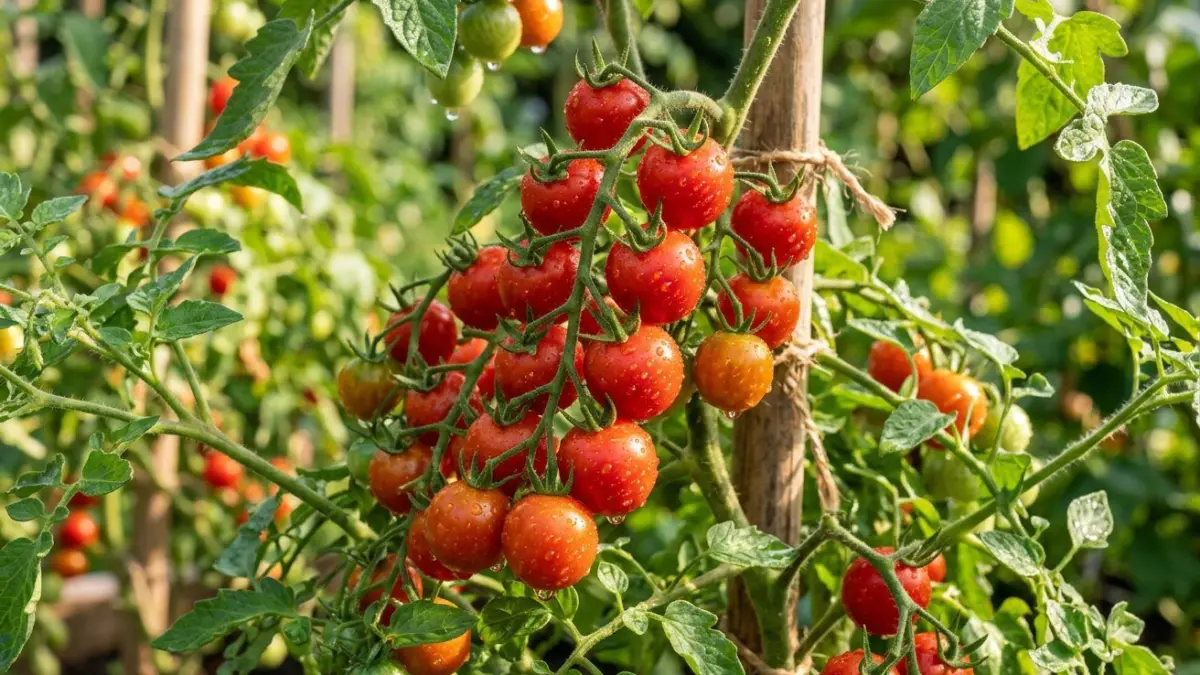
Quick answers
- Does companion planting really work?
- Some pairings do, through clear mechanisms: trap crops, pest confusion, shade, nitrogen fixing and attracting predators. Others are folklore. Treat it as a way to build diversity, not as a magic fix.
- Which plants should never be grown together?
- Fennel is a poor neighbour for most vegetables. Keep onion family members away from peas and beans, and avoid planting tomatoes near potatoes (they share blight) or brassicas.
- What are the best companion flowers for the vegetable garden?
- Nasturtiums (aphid trap crop), French marigolds (against some soil nematodes), calendula, alyssum and borage to attract pollinators and predatory insects.
- Can I interplant everything in one bed?
- Mixed planting is good, but give each crop its needs for sun, water and nutrients. Tall plants can shade low ones, and heavy feeders compete with each other.
Key takeaways
- Companion planting is about diversity. Mixed beds confuse pests and attract helpers.
- Use proven mechanisms: trap crops, flowers for predators, nitrogen fixers and shade providers.
- Treat folklore with care. Some classic pairings have little evidence behind them.
- Match water and nutrient needs. Heavy feeders beside light feeders is a common conflict.
- Keep rotating crops. Companions help, but rotation still prevents soil-borne disease.
- Always include flowers. They support pollinators and predators that protect crops.
Table of contents8 sections
Companion planting is one of the oldest ideas in gardening, and one of the most over-promised. Some combinations genuinely help each other, but others owe more to tradition than to evidence. The good news is that the working principles are simple and well supported: grow a variety of plants, include flowers, and put every plant to work.
This guide separates what is proven from what is folklore and gives a practical planting plan. It forms part of the Vegetables & Herbs pillar and builds on How to Start a Vegetable Garden, with pest ideas from Beneficial Insects.
How companion planting actually works
Companions help in a handful of ways. Knowing which one a pairing relies on tells you whether to trust it.
- Trap cropping: a more attractive plant draws pests away from the main crop (nasturtium for aphids, radish for flea beetle).
- Predator support: flowers such as alyssum, dill and calendula feed hoverflies, lacewings and parasitic wasps that eat pests.
- Nitrogen fixing: peas and beans host bacteria that capture nitrogen from the air, helping the next crop.
- Shade and shelter: tall plants shade lettuce in summer; sweetcorn supports climbing beans.
- Pest confusion: strong scents or mixed plantings make it harder for pests to find their host.
- Soil benefits: deep-rooted plants bring up nutrients; some, like French marigold, suppress certain nematodes when grown as a dense cover.
Pairings and the strength of the evidence
| Pairing | Claimed benefit | Evidence |
|---|---|---|
| Corn + climbing beans + squash (“Three Sisters”) | Beans fix nitrogen; corn supports beans; squash shades soil | Strong, an established traditional system |
| Nasturtium near brassicas and beans | Aphids and caterpillars prefer nasturtium (trap crop) | Good, when trap plants are replaced or treated |
| Alyssum or dill near any crop | Feeds hoverflies and parasitic wasps that eat aphids | Strong |
| Carrots + onions or leeks | Strong scents confuse carrot fly and onion fly | Moderate; physical barriers are more reliable |
| French marigold (Tagetes patula) as ground cover | Reduces root-knot nematodes in soil | Good, only if planted densely as a full season cover |
| Basil with tomatoes | Pest deterrent and “better flavour” | Weak; they do like the same conditions, though |
| Lettuce under tall plants | Shade extends the season in hot weather | Strong in hot climates |
| Radish with cucumber or squash | Deters cucumber beetle | Mixed |
| Garlic around roses and fruit trees | Deters aphids and fungal disease | Weak to mixed |
When a pairing has weak evidence it is still harmless if both plants like the same conditions. Just do not rely on it to replace good hygiene, rotation and physical barriers.
Plants that make poor neighbours
- Fennel: releases compounds that inhibit many plants; grow it alone or in its own pot.
- Onion family near peas and beans: may slow their growth.
- Tomatoes near potatoes: share blight, so separate them, and rotate.
- Brassicas near strawberries: compete heavily for nutrients.
- Black walnut: produces juglone, toxic to tomatoes, peppers and many others within its root zone.
How to plan a companion bed
- Start with crop families. Group by family (tomato family, brassicas, legumes, roots) so rotation stays simple (see garden planning).
- Match needs. Put heavy feeders (tomatoes, squash, corn) next to nitrogen fixers (beans, peas), and light feeders (lettuce, herbs) in the gaps.
- Add flowers. Plant a line of alyssum, calendula or nasturtium every 3–4 m, or along bed edges.
- Layer by height. Trellised beans or tomatoes at the back, medium crops in the middle, low leafy crops at the front.
- Keep paths clear for airflow; crowded beds invite fungal disease.
- Observe and adjust. Note which pairs thrive, and keep a rotation plan.
Three tested combinations to try
- Tomatoes + basil + French marigold + alyssum: shared sun and water needs, with flowers to feed predators.
- Brassicas + dill + nasturtium: dill brings parasitic wasps; nasturtium takes caterpillar and aphid pressure.
- Carrots + onions + calendula: alternating rows break up the scent trail; cover with fleece for real carrot fly protection.
Slip-ups to steer clear of
- Expecting companions to replace pest barriers, rotation and sanitation
- Overcrowding beds so plants compete for light and nutrients
- Pairing thirsty and drought-loving plants together
- Planting mint or lemon balm in the ground, where it takes over; use a pot
- Believing every folk pairing without testing it in your own garden
Shortcuts worth knowing
- Plant herbs such as thyme, oregano and chives at bed corners to attract bees.
- Trap crops must be monitored; remove infested plants to prevent them becoming a pest nursery.
- Draw a rough bed plan each year and compare it with results; it is the best companion-planting book you will own.
Keep going from here
Learn organic pest control in Pests & Diseases, grow your own compost with Composting at Home, and plan the harvest with Harvesting and Storing Vegetables. Back to Vegetables & Herbs.
More in Vegetables & Herbs
Harvesting and Storing Vegetables: When to Pick and How to Keep
Pick vegetables at peak flavour with simple ripeness signals, then cure, chill, freeze or store them correctly so your harvest lasts for weeks or months.
How to Start a Vegetable Garden from Scratch
Site selection, bed building, soil prep and the first season's plan, everything a brand-new food grower needs, in one honest step-by-step guide.
7 Easiest Vegetables to Grow (and 3 to Skip for Now)
Radishes to zucchini: the crops that forgive imperfect soil, irregular watering and beginner nerves, plus the divas worth postponing until year two.