
Quick answers
- Why is garden hygiene important?
- Many diseases and pests overwinter in dead leaves, old plants and dirty tools and pots. Removing them breaks the cycle so problems do not return each year.
- How do I clean garden tools?
- Remove soil with a brush, wipe blades with 70% isopropyl alcohol or a 10% bleach solution, rinse and dry. Oil metal parts to prevent rust. Do this between plants when pruning diseased material.
- Should I put diseased plants in my compost?
- Not unless your compost heap stays above 55°C. Bag or bin severely diseased material, and compost only healthy waste.
- How long should I quarantine new plants?
- Keep them separate for 2–3 weeks and check leaves and soil for pests and disease before planting them among your other plants.
Key takeaways
- Prevention is cheaper than cure. Clean habits stop most problems before they start.
- Clean tools between plants. Pruners spread disease from one plant to the next.
- Clear fallen leaves and old crops. Pathogens and pests overwinter in debris.
- Quarantine new plants. Most introduced pests arrive on bought plants.
- Rotate crops and keep foliage dry. Break disease cycles and lower humidity.
- Never compost seriously diseased material in a cool heap.
Table of contents12 sections
- Why hygiene works
- 1. Clean your tools
- 2. Clean pots, trays and greenhouse surfaces
- 3. Clear debris and diseased material
- 4. Quarantine new plants
- 5. Water in a way that discourages disease
- 6. Rotate crops and manage weeds
- 7. Keep yourself clean
- Hygiene calendar
- Where most people go wrong
- Practical tips from experience
- Related guides worth your time
Professional growers lose far fewer plants than most home gardeners, and the difference is rarely sprays. It is routine. They sterilise tools, clear debris, check new plants, keep greenhouses and pots clean and tidy beds in autumn. These habits take a few minutes and prevent the majority of pest and disease outbreaks.
This guide gives you a practical hygiene system with checklists you can follow. It is part of the Pests & Diseases pillar and works with Preventing Garden Problems Before They Start and Plant Diseases: Identify and Treat the Big Five.
Why hygiene works
Fungi, bacteria and viruses need a way to survive from one season to the next: fallen leaves, spent crops, dirty pots, contaminated tools and the plants themselves. Pests such as slugs, aphids and caterpillars use debris as shelter. Removing those reservoirs breaks the cycle, which means fewer outbreaks and less need for any treatment.
1. Clean your tools
Pruning tools can carry bacteria and fungi from plant to plant. Clean them at the end of each session and between plants when cutting diseased material.
- Scrub off soil and sap with a brush and warm soapy water.
- Disinfect blades. Wipe or spray with 70% isopropyl alcohol, or soak in a 10% household bleach solution for 30 seconds (rinse and oil afterwards, since bleach corrodes metal).
- Dry and oil. A drop of light machine oil on blades and hinges prevents rust.
- Sharpen regularly. Clean cuts heal faster and stop pathogens entering.
2. Clean pots, trays and greenhouse surfaces
- Scrub used pots and seed trays with hot soapy water, then soak for 10 minutes in a 10% bleach solution; rinse well and let dry.
- Wash greenhouse glass and benches in autumn to remove algae and overwintering pests and to let in light.
- Use fresh, sterile seed mix for seedlings (see How to Plant Seeds Step by Step) to avoid damping-off.
3. Clear debris and diseased material
- Remove fallen leaves from roses, fruit trees and tomatoes during the season.
- Pick up and dispose of fallen fruit; it harbours rot and pests.
- Pull out finished crops promptly rather than leaving them to decay.
- Cut away yellow, spotted or dead leaves and stems at the first sign.
- Bag diseased material and put it in the bin or burn it where allowed. Do not add it to a cool compost heap.
4. Quarantine new plants
New plants are the most common route for pests such as vine weevil, mealybugs, scale and spider mites. Isolate them for 2–3 weeks, check undersides of leaves, stems and root balls, and treat any problems before introducing them to the garden or your houseplant collection.
5. Water in a way that discourages disease
- Water at the base of plants in the morning so foliage dries quickly.
- Avoid overhead sprinklers on tomatoes, roses and squash.
- Do not let pots sit in water.
- Space plants for airflow (see Watering Plants the Right Way).
6. Rotate crops and manage weeds
Do not plant the same crop family in the same spot for three to four years. This starves soil-borne diseases such as club root and verticillium, and avoids a build-up of pests. Remove weeds before they set seed; many host pests and viruses.
7. Keep yourself clean
- Wash hands after handling diseased plants, and before touching healthy ones. Tobacco mosaic virus spreads on hands.
- Clean boots and gloves when moving between gardens or allotments.
- Do not walk through wet crops, especially beans and tomatoes.
Hygiene calendar
| When | Tasks |
|---|---|
| Every session | Clean and dry tools; remove dead leaves; wash hands after diseased plants |
| Weekly | Inspect plants for pests and spots; pick up fallen fruit and leaves; empty saucers and trays of standing water |
| Monthly | Disinfect secateurs and knives; check stored bulbs and produce; clear gutters and water butts |
| Spring | Wash pots and trays; clean greenhouse; refresh mulches |
| Autumn | Remove spent crops and diseased foliage; rake leaves from roses and fruit trees; wash greenhouse and cold frames |
| Winter | Prune fruit trees in dry weather; sharpen and oil tools; plan crop rotation |
Where most people go wrong
- Pruning diseased plants first, then healthy ones, without cleaning the blades
- Composting blighted or club-rooted plants in a cool heap
- Reusing pots and trays without washing them
- Leaving fallen leaves around roses and apples all winter
- Planting new purchases straight into the border
Practical tips from experience
- Keep a spray bottle of 70% alcohol and a cloth in your tool bucket; it takes two seconds.
- Prune in dry weather so wounds are less likely to carry spores.
- Sticky yellow traps near new plants reveal pests early.
Related guides worth your time
Identify specific problems with Common Garden Pests & Organic Control, welcome allies with Beneficial Insects, and diagnose symptoms using Troubleshooting Wilt, Yellowing and Mystery Symptoms. Back to Pests, Diseases & Natural Care.
More in Pests & Diseases
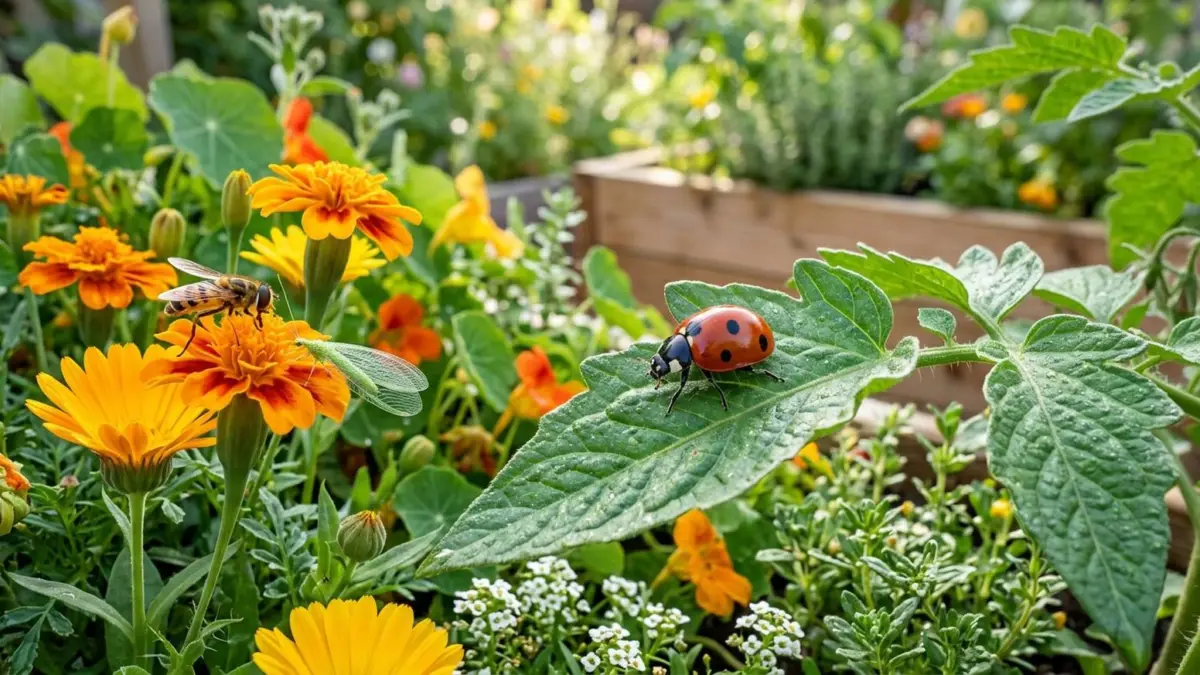
Troubleshooting Wilt, Yellowing and Mystery Symptoms
A step-by-step diagnostic guide for the symptoms that baffle gardeners most: wilting, yellow leaves, spots, holes, curling, stunting and blossom end rot. Work out the cause…
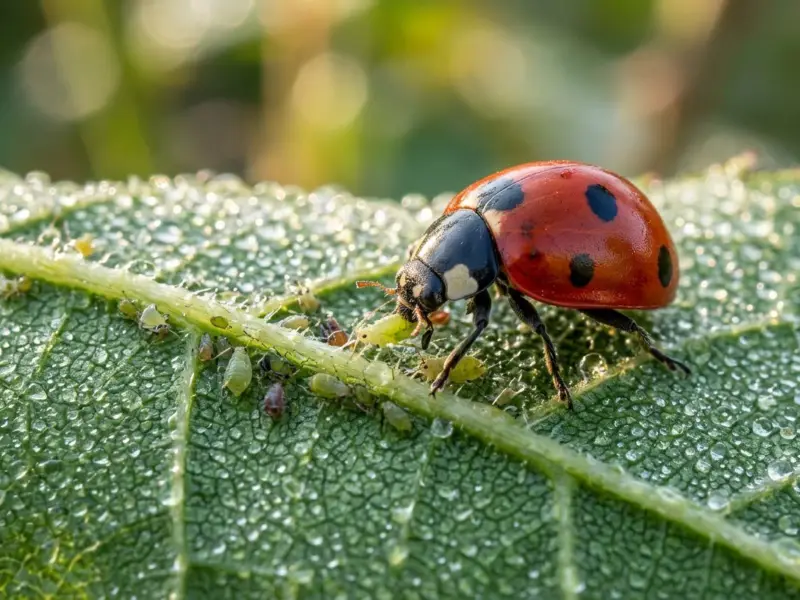
Common Garden Pests & Organic Control That Actually Works
Aphids, whiteflies, spider mites, caterpillars, grubs: identify each by its damage, then apply the specific organic counter-measure, ranked by effectiveness.
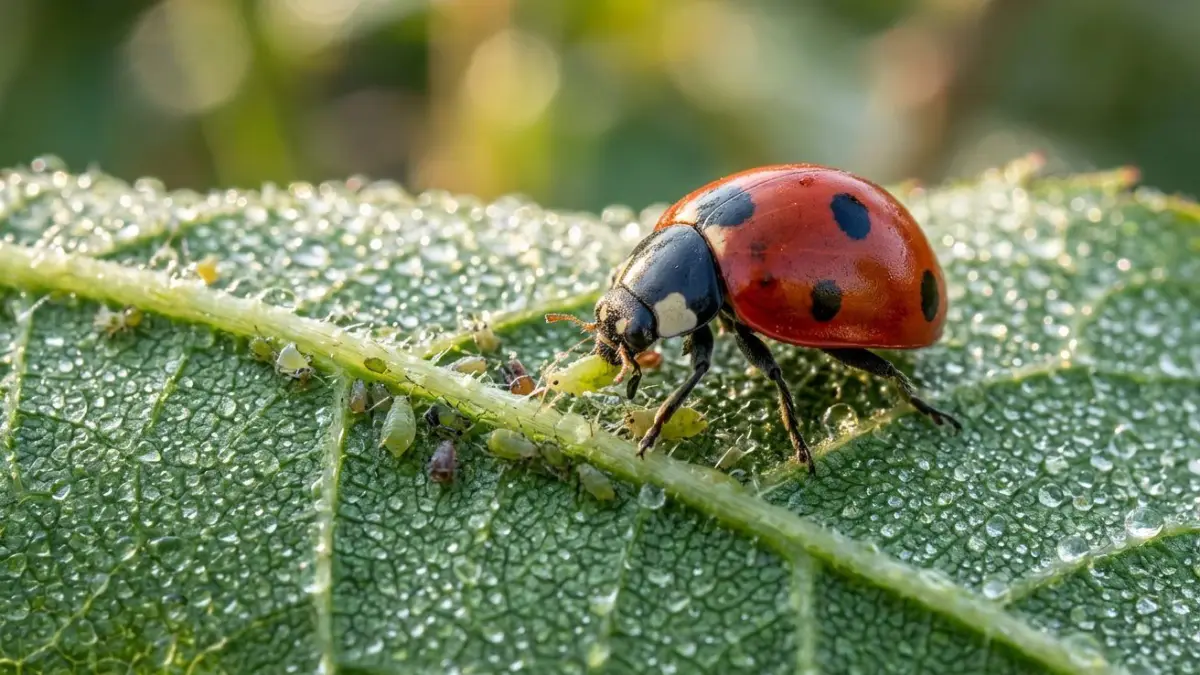
Plant Diseases: Identify and Treat the Big Five
Powdery mildew, black spot, blight, rust and root rot, symptom photos in words, immediate treatment, and the prevention that stops recurrences.