First-season success is a strategy, not a personality trait. Some vegetables produce food with almost embarrassing generosity; others demand trellises, spray schedules and perfect timing. Plant the forgivers first and your gardening confidence compounds weekly.
The Guaranteed-Easy Seven
- Radish — sown to table in 25–30 days
- Salad greens & spinach — cut and come again for weeks
- Bush beans — no support, nitrogen-fixing, heavy yields
- Zucchini/summer squash — famously prolific
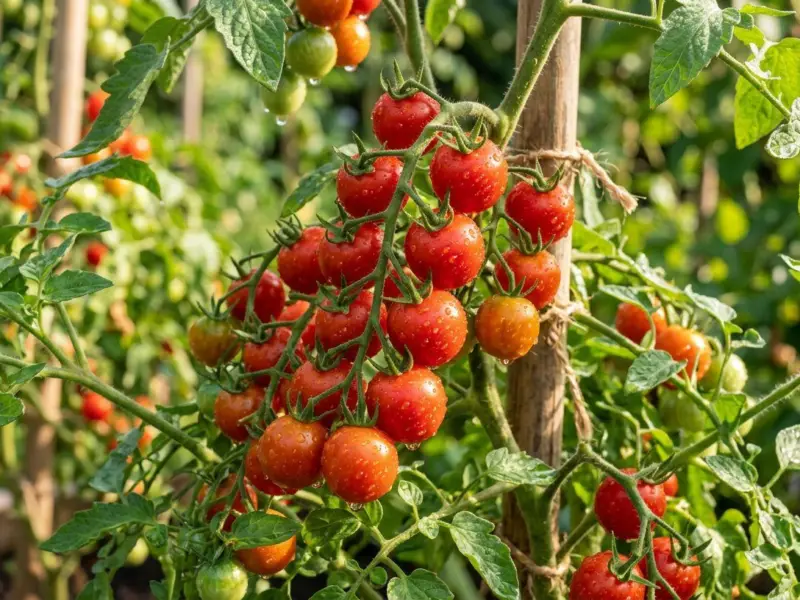
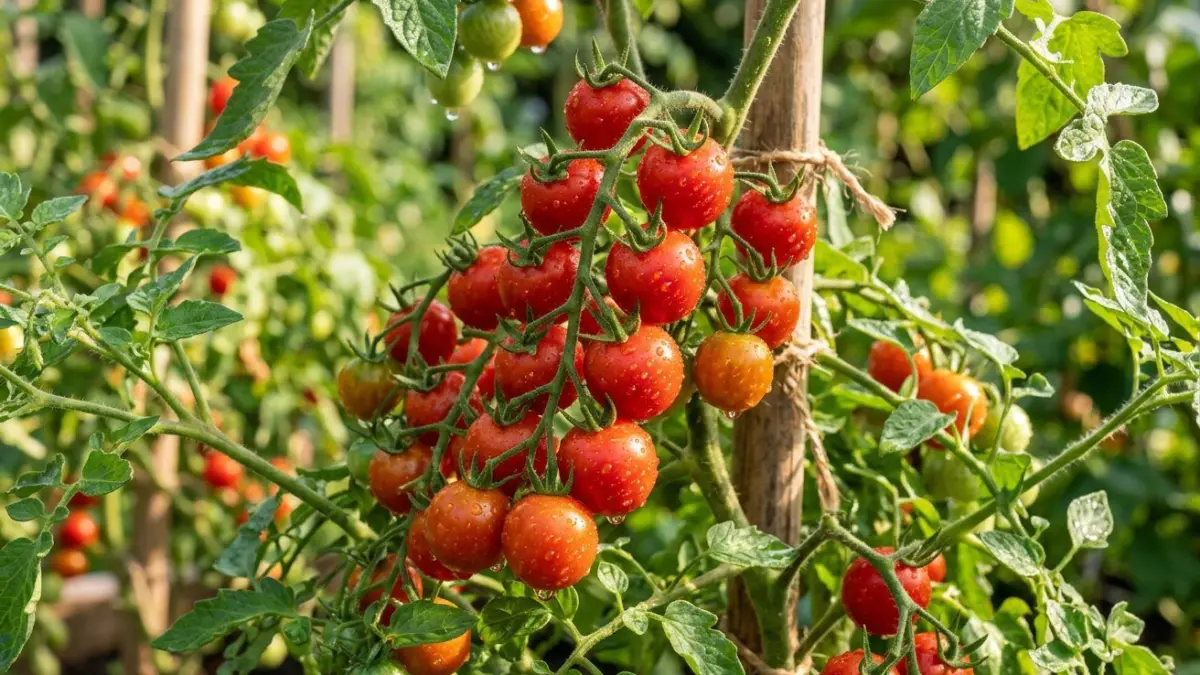
- Cherry tomatoes — the forgiving tomato
- Swiss chard — keeps producing through heat and cold
- Green onion — regrows from kitchen scraps
Why These Win for Beginners
Easy crops share traits: fast maturity (fewer weeks for problems to find them), few pests that ruin the whole crop, and tolerance of imperfect watering. Sow them with the method from our seed sowing guide, water on the deep-and-rare rhythm from our watering guide, and success is nearly automatic. Beans and peas even fertilize the soil for the crops that follow — a free head start explained in our feeding guide.
The Three to Postpone
Cauliflower and head lettuce
One hot week and they bolt or “button” — frustrating as first crops, glorious in year two with the timing from our calendar.
Corn
It eats a huge bed for modest yield and demands pollination physics. Grow it for joy later, not for the pantry now.
Melons (in short seasons)
They need long heat and space. Start with the container-friendly crops in our container guide instead.
Succession Sowing: The Real Secret
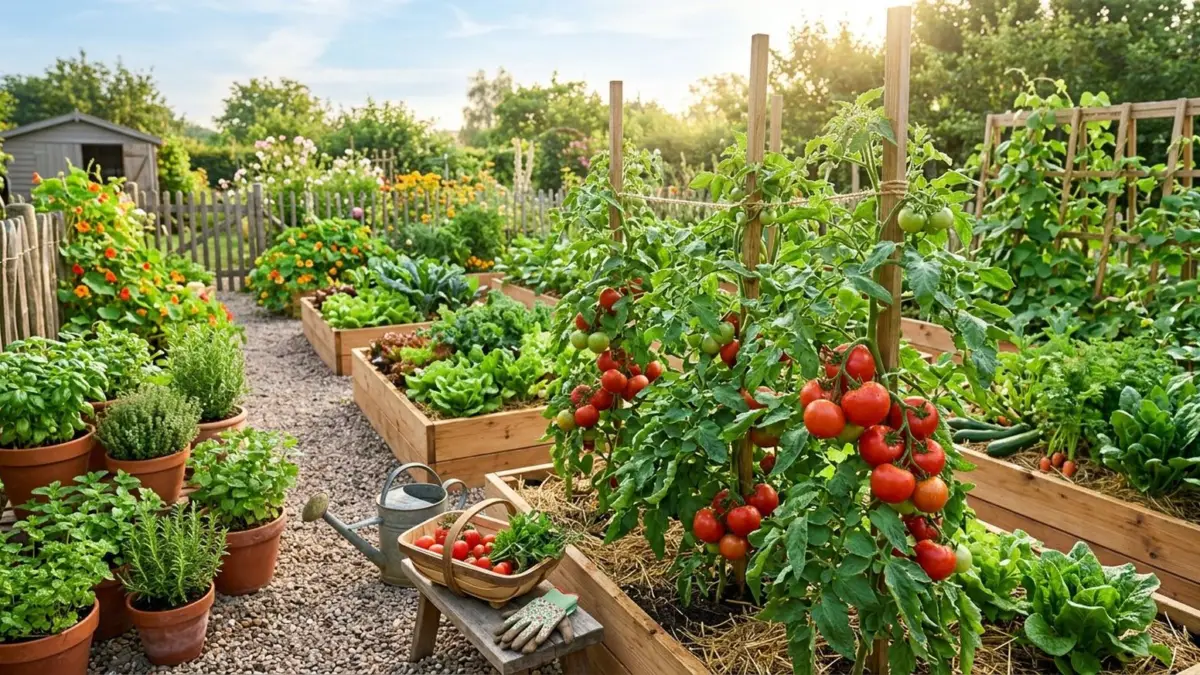
Sow radish and salad rows every two weeks rather than all at once, and you convert one harvest moment into a rolling supply. Succession pairs perfectly with vertical crops: bush beans below, cherry tomatoes climbing behind — the space-doubling ideas continue in our small garden design guide.
Common Mistakes to Avoid
- Sowing an entire packet of zucchini — two plants feed a street.
- Thin seedlings! Crowded carrots and beets never size up.
- Forgetting harvest changes flavor — radish past 40 days turns woody.
Frequently Asked Questions
Which vegetable gives the fastest reward?
Radish — 25 days from seed to salad. Microgreens beat it by three weeks if you count windowsill trays as gardening.
When should I upgrade to harder crops?
Season two or three, once your watering and feeding instincts are automatic. Then tomatoes beyond cherries and brassicas become fun instead of stressful — with pest backup from our organic pest guide.
Level up next: master tomatoes, or browse the kitchen garden hub.
The Harvest-Extension Toolkit for easy vegetables
Every crop’s season has both edges, and both are movable. Earlier: pre-warm soil with black plastic, transplant under cloches, choose fast varieties. Later: succession sow past the usual window, shade cloth through the first heat, and cold frames that add a month at each end of the cool seasons. Longer within the season: cut-and-come-again harvesting, frequent picking, and feeding at fruit set keep plants producing instead of winding down.
The toolkit’s net effect is a garden that feeds you weeks earlier, months longer, and refuses the empty gaps that make grocery stores necessary again.
The Bed-Rotation Planner for easy vegetables
Rotation is the cheapest pesticide and fertilizer ever invented: moving plant families breaks the pest and disease cycles that build in familiar soil, and alternates heavy feeders with soil-builders. The working four-block scheme: 1 fruiting crops (tomato, pepper, squash — the hungry ones), 2 roots and bulbs (carrot, onion — light feeders that loosen soil), 3 legumes (beans, peas — nitrogen bankers), 4 leaf crops (salad, brassicas). Each family advances one block yearly.
Even a four-bed balcony rotation works at pot scale. The log makes it function: without last year’s map, rotation is just a nice idea.
Deep Dive: What Experienced Growers Know About easy vegetables
Days-to-maturity is the beginner’s secret weapon: fast crops finish before problems compound. Radish at 25 days outpaces every pest’s life cycle; bush beans at 55 shrug off what slower crops suffer. Choose at least half your first garden from crops under 60 days and your season’s report card fills with successes while slower stars — tomatoes, peppers — mature their lessons in parallel. Speed is not just yield; it is risk management.
Key Takeaways
- Cut And Come Again: Harvesting outer leaves so the plant regrows — salad economics.
- Blossom-End Rot: Black sunken fruit base from calcium interrupted by uneven water.
- Chitting: Pre-sprouting seed potatoes in light before planting.
- Hardening Off: Outdoor acclimation week that readies indoor-raised transplants.
More Questions About Easy Vegetables
What should I absolutely not grow in year one?
Cauliflower, head lettuce in heat, corn for yield-per-space, and long-season melons in short summers — all punish beginners with expertise-demanding timing.
Can I grow vegetables in partial shade?
Leafy crops yes — salad, chard, herbs produce on four hours. Fruiting crops (tomato, pepper, squash) demand six-plus; shade their pots, not their beds.
Why did my radish grow all leaves?
Too much nitrogen or too-warm days. Radish is a 25-day crop in cool weather; heat and richness turn it to top growth.
Field Questions Answered
What's the best first-year fertilizer plan?
Compost in the bed at planting, then nothing until fruit set — then low-N feed every three weeks. Beginners overfeed nitrogen and harvest leaves.
How do I keep salad through summer heat?
Shade cloth at 30–50%, heat-tolerant varieties, and sowing in the shadiest bed. Or treat summer as salad's off-season and preserve the habit for autumn.
Can I plant a second crop where the first finished?
Immediately — that is succession's whole point. Radish after peas, salad after garlic, autumn brassicas after early beans.
Why are my herbs weak and leggy?
Not enough sun or not enough cutting. Herbs want harsh light and harsher harvests; the pampered windowsill basil is a candle burning at both ends.
Common Mistakes to Avoid with Easy Vegetables
- Planting more bed than your week can honestly water and weed.
- Beds beyond arm's reach — the middle third never gets tended.
- Full-sun crops in the only convenient spot; shade obedience beats convenience.
- Sowing everything the first warm weekend; soil temperature votes, not sunshine.
- Skipping thinning — crowded carrots and beets never size up.
Further Field Questions
How many hours of sun is the honest minimum?
Fruiting crops: six plus. Leafy crops and herbs: four manages. Below that, grow mushrooms or move the garden.
What's the best first-year fertilizer plan?
Compost in the bed at planting, then nothing until fruit set — then low-N feed every three weeks. Beginners overfeed nitrogen and harvest leaves.
How do I keep salad through summer heat?
Shade cloth at 30–50%, heat-tolerant varieties, and sowing in the shadiest bed. Or treat summer as salad's off-season and preserve the habit for autumn.
Can I plant a second crop where the first finished?
Immediately — that is succession's whole point. Radish after peas, salad after garlic, autumn brassicas after early beans.
Why are my herbs weak and leggy?
Not enough sun or not enough cutting. Herbs want harsh light and harsher harvests; the pampered windowsill basil is a candle burning at both ends.
What earns the most per square meter?
Herbs, salad, and vertically grown cherry tomatoes — high grocery price, small footprint, continuous harvest. Zucchini wins volume, not value.
Further Field Questions
How many hours of sun is the honest minimum?
Fruiting crops: six plus. Leafy crops and herbs: four manages. Below that, grow mushrooms or move the garden.
What's the best first-year fertilizer plan?
Compost in the bed at planting, then nothing until fruit set — then low-N feed every three weeks. Beginners overfeed nitrogen and harvest leaves.
How do I keep salad through summer heat?
Shade cloth at 30–50%, heat-tolerant varieties, and sowing in the shadiest bed. Or treat summer as salad's off-season and preserve the habit for autumn.
Can I plant a second crop where the first finished?
Immediately — that is succession's whole point. Radish after peas, salad after garlic, autumn brassicas after early beans.
Why are my herbs weak and leggy?
Not enough sun or not enough cutting. Herbs want harsh light and harsher harvests; the pampered windowsill basil is a candle burning at both ends.
What earns the most per square meter?
Herbs, salad, and vertically grown cherry tomatoes — high grocery price, small footprint, continuous harvest. Zucchini wins volume, not value.
Further Field Questions
How many hours of sun is the honest minimum?
Fruiting crops: six plus. Leafy crops and herbs: four manages. Below that, grow mushrooms or move the garden.
What's the best first-year fertilizer plan?
Compost in the bed at planting, then nothing until fruit set — then low-N feed every three weeks. Beginners overfeed nitrogen and harvest leaves.
How do I keep salad through summer heat?
Shade cloth at 30–50%, heat-tolerant varieties, and sowing in the shadiest bed. Or treat summer as salad's off-season and preserve the habit for autumn.
Can I plant a second crop where the first finished?
Immediately — that is succession's whole point. Radish after peas, salad after garlic, autumn brassicas after early beans.
Why are my herbs weak and leggy?
Not enough sun or not enough cutting. Herbs want harsh light and harsher harvests; the pampered windowsill basil is a candle burning at both ends.
What earns the most per square meter?
Herbs, salad, and vertically grown cherry tomatoes — high grocery price, small footprint, continuous harvest. Zucchini wins volume, not value.
Further Field Questions
How many hours of sun is the honest minimum?
Fruiting crops: six plus. Leafy crops and herbs: four manages. Below that, grow mushrooms or move the garden.
What's the best first-year fertilizer plan?
Compost in the bed at planting, then nothing until fruit set — then low-N feed every three weeks. Beginners overfeed nitrogen and harvest leaves.
How do I keep salad through summer heat?
Shade cloth at 30–50%, heat-tolerant varieties, and sowing in the shadiest bed. Or treat summer as salad's off-season and preserve the habit for autumn.
Can I plant a second crop where the first finished?
Immediately — that is succession's whole point. Radish after peas, salad after garlic, autumn brassicas after early beans.
Why are my herbs weak and leggy?
Not enough sun or not enough cutting. Herbs want harsh light and harsher harvests; the pampered windowsill basil is a candle burning at both ends.
What earns the most per square meter?
Herbs, salad, and vertically grown cherry tomatoes — high grocery price, small footprint, continuous harvest. Zucchini wins volume, not value.
Further Field Questions
How many hours of sun is the honest minimum?
Fruiting crops: six plus. Leafy crops and herbs: four manages. Below that, grow mushrooms or move the garden.
What's the best first-year fertilizer plan?
Compost in the bed at planting, then nothing until fruit set — then low-N feed every three weeks. Beginners overfeed nitrogen and harvest leaves.
How do I keep salad through summer heat?
Shade cloth at 30–50%, heat-tolerant varieties, and sowing in the shadiest bed. Or treat summer as salad's off-season and preserve the habit for autumn.
Can I plant a second crop where the first finished?
Immediately — that is succession's whole point. Radish after peas, salad after garlic, autumn brassicas after early beans.
Why are my herbs weak and leggy?
Not enough sun or not enough cutting. Herbs want harsh light and harsher harvests; the pampered windowsill basil is a candle burning at both ends.
What earns the most per square meter?
Herbs, salad, and vertically grown cherry tomatoes — high grocery price, small footprint, continuous harvest. Zucchini wins volume, not value.
Further Field Questions
How many hours of sun is the honest minimum?
Fruiting crops: six plus. Leafy crops and herbs: four manages. Below that, grow mushrooms or move the garden.
What's the best first-year fertilizer plan?
Compost in the bed at planting, then nothing until fruit set — then low-N feed every three weeks. Beginners overfeed nitrogen and harvest leaves.
How do I keep salad through summer heat?
Shade cloth at 30–50%, heat-tolerant varieties, and sowing in the shadiest bed. Or treat summer as salad's off-season and preserve the habit for autumn.
Can I plant a second crop where the first finished?
Immediately — that is succession's whole point. Radish after peas, salad after garlic, autumn brassicas after early beans.
Why are my herbs weak and leggy?
Not enough sun or not enough cutting. Herbs want harsh light and harsher harvests; the pampered windowsill basil is a candle burning at both ends.
What earns the most per square meter?
Herbs, salad, and vertically grown cherry tomatoes — high grocery price, small footprint, continuous harvest. Zucchini wins volume, not value.