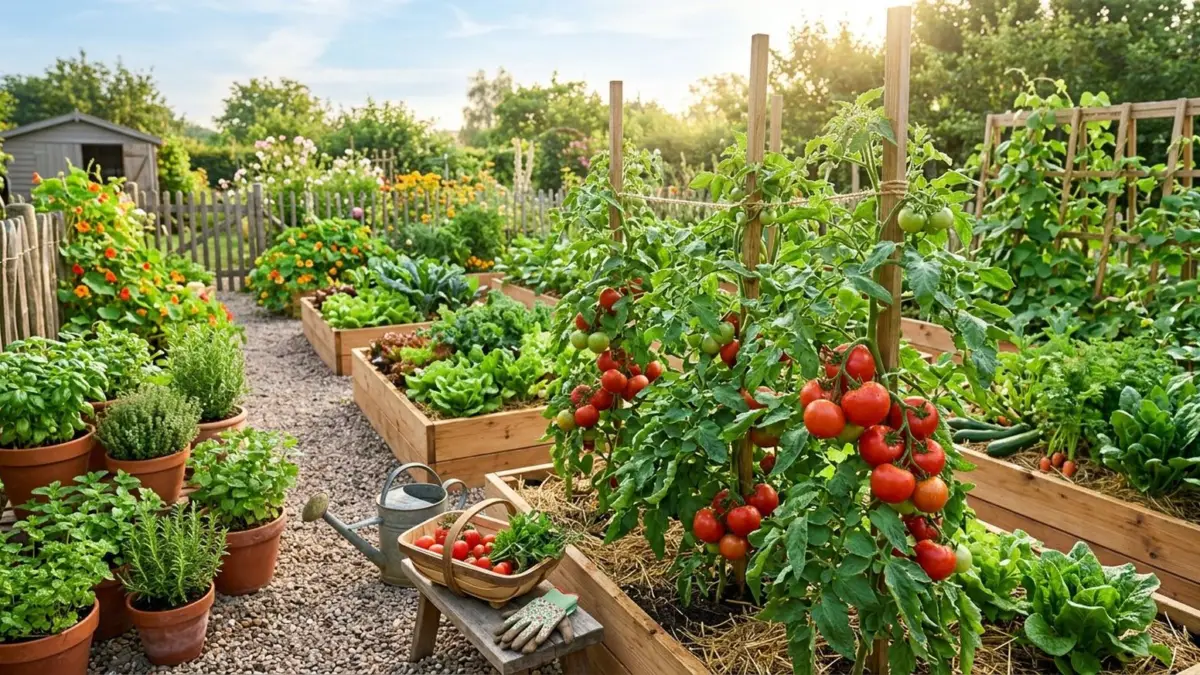
Quick answers
- What is the best time of day to harvest vegetables?
- Early morning, when produce is cool and full of moisture. Leafy greens, peas and sweetcorn especially taste best and keep longer when picked cool.
- How do I know when a vegetable is ripe?
- Use the crop-specific signs: tomatoes colour fully, onion tops fall over, squash rind resists a fingernail, beans snap cleanly and carrot shoulders show 2 cm wide.
- Should I wash vegetables before storing them?
- Not usually. Brush off soil and wash just before eating. Wet produce spoils faster, except leafy greens, which can be rinsed, spun dry and chilled.
- Why should tomatoes not go in the refrigerator?
- Below about 12°C tomatoes lose flavour and turn mealy. Keep them on the counter out of direct sun, stalk side down.
Key takeaways
- Harvest often. Beans, courgettes and cut-and-come-again greens produce more when picked regularly.
- Pick in the cool of the morning. Heat speeds spoilage and wilts leaves.
- Cure before you store. Onions, garlic, squash and potatoes keep far longer when dried first.
- Different crops, different conditions. Cold and humid for roots, cool and dry for onions and squash.
- Blanch before freezing. It stops enzymes that spoil taste, colour and texture.
- Check stored crops weekly and use up any that show spots or softness.
Table of contents9 sections
The final skill in growing vegetables is knowing when to stop. Pick a courgette too late and it becomes a baseball bat; harvest sweetcorn a day early and it lacks sugar; store onions without drying them and they rot by Christmas. Harvest timing and storage decide how much of your effort ends up on the plate.
This guide gives ripeness signs for common crops, the best way to pick them and the right storage method for each. It belongs to the Vegetables & Herbs pillar and follows on from How to Grow Tomatoes and 7 Easiest Vegetables to Grow.
Harvesting basics
- Pick in the morning after dew has dried and before the heat builds.
- Use clean, sharp tools: snips or a knife for fruit and stems; pulling can damage the plant.
- Handle gently. Bruises become rot spots in storage.
- Harvest regularly. Frequent picking of beans, peas, courgettes and cucumbers keeps plants flowering.
- Take only what you need of leafy greens; cut the outer leaves and let the heart keep growing.
Ripeness signs for common crops
| Crop | Ready when | Notes |
|---|---|---|
| Tomatoes | Fully coloured, slightly soft; comes away with a gentle twist | Green fruit ripen indoors at the end of the season |
| Courgette / zucchini | 15–20 cm long, glossy skin | Check daily in summer |
| Green beans | Pods plump but snap cleanly; seeds still tiny | Pick every 2–3 days |
| Peas | Pods full and bright green, before they turn dull | Taste a pod; sugar turns to starch quickly |
| Sweetcorn | Silks brown; kernel releases milky juice when pierced | Cook or chill immediately |
| Carrots / beets | Shoulders visible, 2–3 cm across | Loosen soil with a fork before pulling |
| Potatoes | Early: when plants flower; main crop: when foliage yellows and dies | Leave 2 weeks after tops die for thick skins |
| Onions and garlic | Tops fall over and yellow | Lift on a dry day and cure |
| Winter squash and pumpkin | Rind hard, stem dry and corky | Cut with a 5 cm stem; never carry by the stem |
| Lettuce, spinach, kale | Leaves of usable size | Cut outer leaves; harvest before flowering |
| Peppers and chillies | Full colour for the variety | Cut with scissors; do not tear branches |
Curing: the step that doubles storage life
Some crops need a short drying or hardening period so their skins toughen and small wounds heal before storage.
- Onions and shallots: dry in a single layer in a warm, airy, shaded place for 2–3 weeks until necks are tight and papery.
- Garlic: cure whole, with leaves on, in shade for 2–4 weeks.
- Winter squash and pumpkin: cure at 25–30°C for about 10 days, then store cooler.
- Potatoes: cure for 1–2 weeks in a dark, humid place at 10–15°C, then store cooler.
Storage conditions by crop
| Crop | Temperature | Humidity | How long |
|---|---|---|---|
| Carrots, beets, parsnips (roots) | 0–4°C | Very humid (90%+) | 3–5 months in boxes of damp sand |
| Potatoes | 4–8°C, dark | High | 4–6 months |
| Onions, garlic, shallots | 1–10°C | Dry (60–70%) | 4–8 months, hung in nets |
| Winter squash, pumpkin | 10–13°C | Dry | 3–6 months |
| Cabbage | 0–4°C | High | 2–4 months |
| Apples and pears | 1–4°C | High | 1–6 months by variety, stored apart from vegetables |
| Tomatoes (ripe) | 12–20°C | Normal | 3–7 days on the counter |
| Leafy greens, herbs | 0–4°C | High | 3–7 days in a bag with a damp towel |
Never store apples, pears or ripe tomatoes next to potatoes or leafy vegetables. The ethylene gas they give off speeds up sprouting and yellowing.
Freezing: blanch, chill, pack
- Prepare. Wash, trim and cut into even pieces.
- Blanch. Boil for the time below, then drop into ice water for the same time. This halts the enzymes that cause off-flavours.
- Drain and dry thoroughly to prevent ice crystals.
- Pack and label. Freeze in a single layer on a tray, then bag with the air squeezed out and write the date.
| Vegetable | Blanch time |
|---|---|
| Peas | 1½ minutes |
| Green beans | 3 minutes |
| Broccoli and cauliflower florets | 3 minutes |
| Spinach and other greens | 2 minutes |
| Sweetcorn kernels (cut from cob) | 4 minutes |
| Carrot slices | 2–3 minutes |
Tomatoes, peppers and herbs can be frozen raw: chop herbs into ice-cube trays with a little water or oil.
Other ways to preserve a glut
- Drying: chillies, herbs, tomatoes (in a dehydrator or low oven) and beans (leave pods on the plant until rattling).
- Fermenting: cabbage (sauerkraut), carrots and cucumbers keep for months with salt, and develop flavour.
- Pickling and canning: follow tested recipes with correct acidity for safety.
- Cellaring and clamps: traditional storage of roots in sand or straw outdoors.
Pitfalls to watch for
- Leaving courgettes, beans and cucumbers too long until plants stop producing
- Skipping curing for onions, squash and potatoes
- Washing roots and onions before storage
- Storing damaged produce with sound ones
- Refrigerating tomatoes, basil and potatoes
Shortcuts worth knowing
- Do a weekly check of stored crops and cook the soft ones first.
- Stagger sowings (see the seasonal planting calendar) so harvests do not all arrive at once.
- Compost scraps and spoiled produce via Composting at Home.
Related guides worth your time
Plan what to grow next with Companion Planting, keep plants healthy with Pests & Diseases and work the harvest into the seasonal calendar. Back to Vegetables & Herbs.
More in Vegetables & Herbs
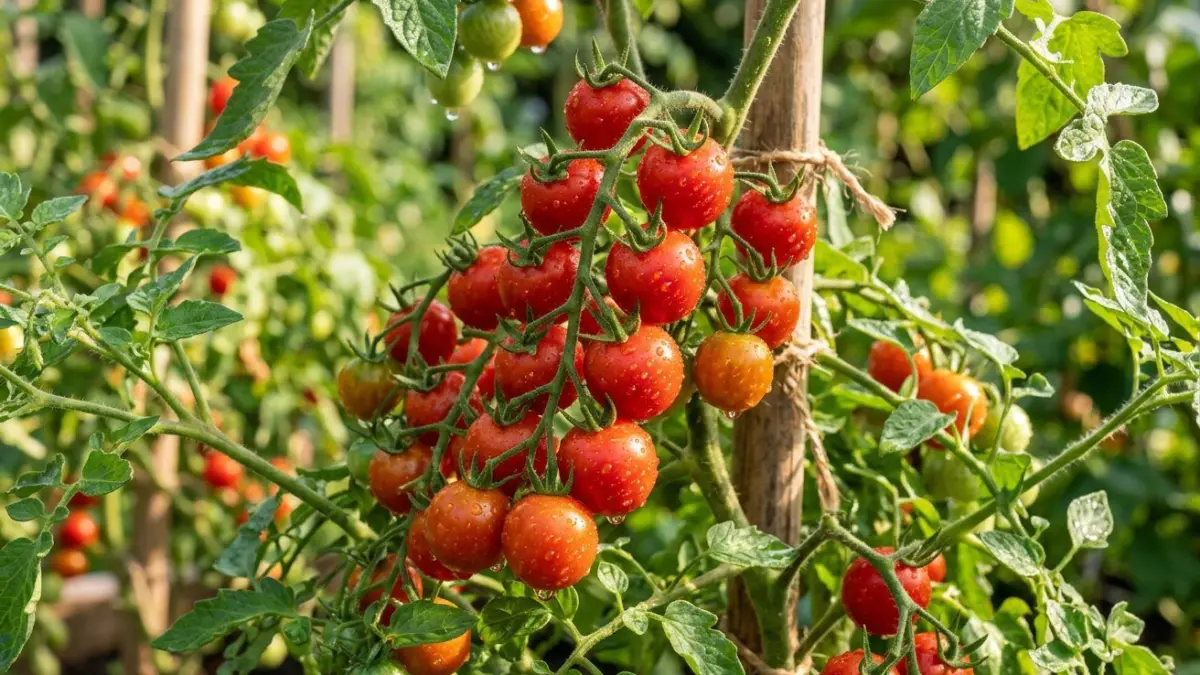
How to Start a Vegetable Garden from Scratch
Site selection, bed building, soil prep and the first season's plan, everything a brand-new food grower needs, in one honest step-by-step guide.
7 Easiest Vegetables to Grow (and 3 to Skip for Now)
Radishes to zucchini: the crops that forgive imperfect soil, irregular watering and beginner nerves, plus the divas worth postponing until year two.
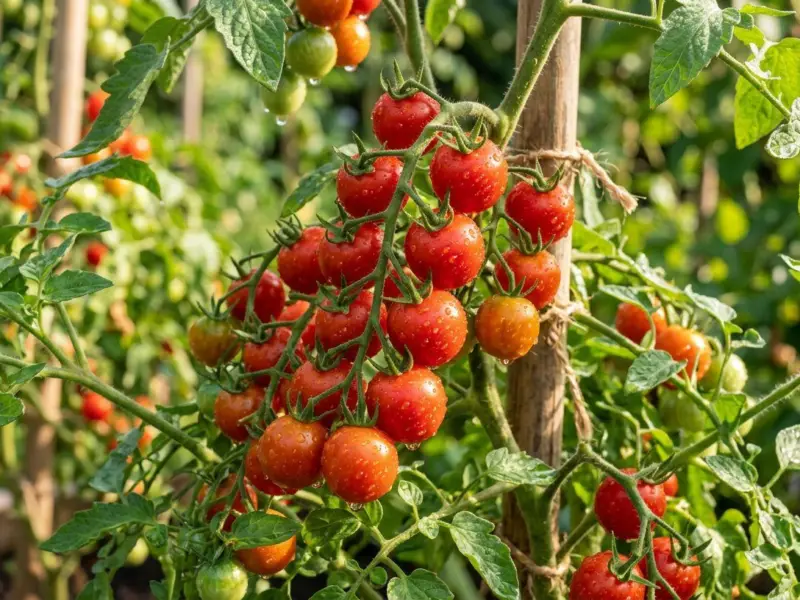
How to Grow Tomatoes: From Seed to Sauce
Determinate vs indeterminate, planting deep, pruning suckers, watering discipline and blossom-end rot fixes, the complete tomato playbook.