Quick answers
- What is the easiest vegetable for beginners?
- Radishes, lettuce, bush beans, and cherry tomatoes are the most forgiving. They germinate quickly and give fast visual feedback.
- How much sun do vegetables need?
- Most vegetables need 6-8 hours of direct sun. Leafy greens tolerate 4-6 hours. Fruiting vegetables need 8+ hours.
- When should I start a vegetable garden?
- Any time the soil can be worked. Spring is traditional, but late summer is excellent for fall crops.
- How often should I water vegetables?
- Deep and infrequent: once or twice a week with enough water to wet the root zone 15-20 cm deep. The finger test tells you when.
Key takeaways
- Start small, a 10x10 foot bed or a few containers, and expand as you learn.
- Know your frost dates. Everything in vegetable gardening revolves around them.
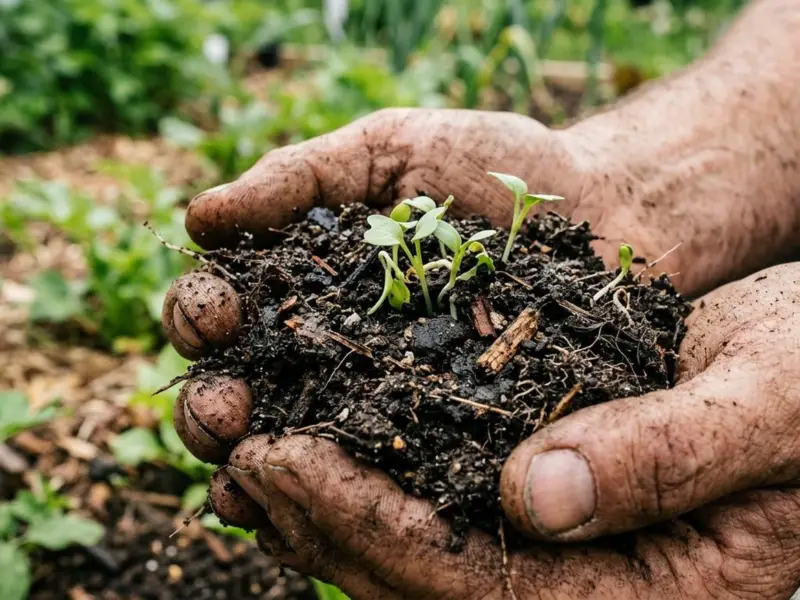
- Soil is not dirt. Build it with compost, protect it with mulch, and test it every few years.
- Water deeply and infrequently. The finger test beats any schedule.
- Succession plant for continuous harvest. Sow lettuce every two weeks, stagger tomatoes.
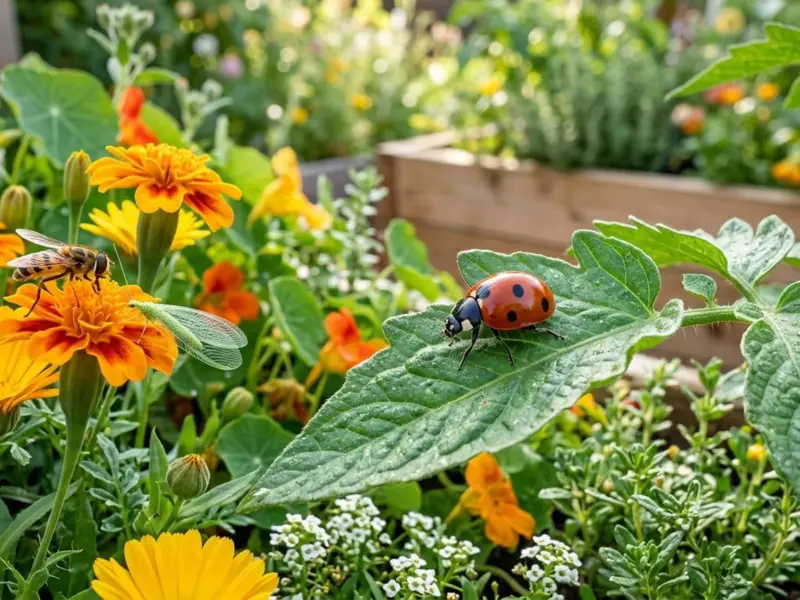
- Companion planting has some valid applications, but most claimed benefits are exaggerated.
- Harvest at the right time. Tomatoes taste best vine-ripe, lettuce gets bitter if it bolts.
- Keep records. What you planted, when, and how it performed; this compounds in value.
Table of contents47 sections
- Food Is the Fastest Feedback in Gardening
- How to Use This Hub
- The Seasonal Rhythm of Vegetables & Herbs
- Your First 30 Days with Vegetables & Herbs
- The Science, Briefly
- 10 Mistakes That Sink Gardeners in This Topic
- Myths Worth Retiring
- The Toolkit: What You Actually Need
- Plain-Language Glossary
- Regional Notes
- How This Hub Connects to the Rest of the Site
- The Deeper Why: Food Rewires the Gardener
- Advanced Field Notes
- Common Objections, Answered
- Three Field Confessions
- The 7-Day Starter Plan
- What size bed should a true beginner start with?
- Which five crops give the best return for effort?
- Can I really grow food in pots only?
- How do I keep herbs alive through summer?
- Is compost tea or compost better for vegetables?
- Is it too late in the season to start?
- How do I keep the garden going on vacation?
- What do I do about a bed that failed completely?
- Are heirloom or hybrid varieties better for beginners?
- How much should I actually plant per person?
- Can I use supermarket produce as seed?
- Guides at a Glance
- Revision Cards: The Guides at a Glance
- Seasonal Checklist, Condensed
- Pace Yourself: The Long View
- Advanced Vocabulary, Applied
- Study Notes: The Guides in Brief
- Frequently Asked: The Index
- Practice Drills for This Week
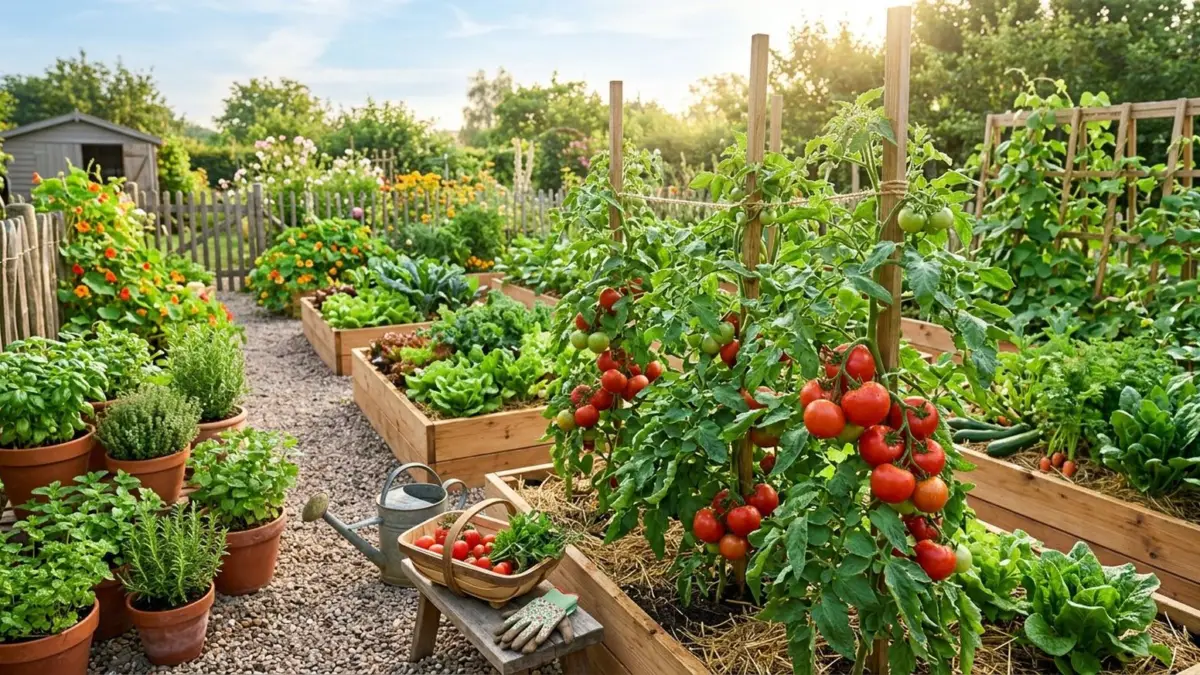
A kitchen garden changes your relationship with food, a tomato warm from the sun rewrites the rules. This hub is the complete food-growing path: starting your first vegetable bed, the genuinely easy crops, tomato mastery, an herb garden that pays for itself, vegetables in containers for balconies, and home composting to close the loop.
The guides are sequenced like a season: start with the bed, choose crops, learn your star vegetable, plant the herbs, expand to pots, and feed everything with compost you made. Each links back to this hub and its siblings for topical depth.
Timing is everything in food growing, pair this hub with the seasonal planting calendar, and troubleshoot crops with the pest and disease hub.
Food Is the Fastest Feedback in Gardening
Nothing teaches gardening like eating. A tomato warm off the vine rewrites your relationship with the entire subject, and unlike ornamental skills, food growing gives you brutal, honest, weekly feedback: harvest or no harvest. That feedback loop is why the kitchen garden is where most great gardeners are made.
This hub is sequenced like a season of eating. Start the bed correctly and everything downstream gets easier. Choose genuinely forgiving crops and your confidence compounds weekly instead of shattering. Learn one star crop deeply, the tomato, and transfer its lessons everywhere. Plant herbs that pay rent within weeks, scale up to containers when space is tight, and close the loop with compost that turns your kitchen waste into next season’s fertility.
The economics are real, too. A well-run three-by-three-meter bed produces 40-90 kilograms of vegetables a season in most climates, and a metre of basil out-earns its grocery bill within a month. But the deeper return is fluency: food plants are annuals with deadlines, and deadlines teach timing better than any article, including, eventually, the ones you will write in your own garden notebook.
Begin with the bed guide even if your plot is imaginary today; site selection and soil thinking are transferable to everything else you will ever plant.
How to Use This Hub
| Guide | What you will learn | Time to apply |
|---|---|---|
| Start a Vegetable Garden | Site, bed building, and honest sizing for your first season | One weekend + one season |
| Easy Vegetables for Beginners | The forgiving seven, the divas to postpone, succession sowing | One season |
| How to Grow Tomatoes | Variety, deep planting, support, water discipline, feeding | One season |
| Herb Garden Essentials | Water-grouping, harvest-to-thicken, the mint containment rule | Weeks to first harvest |
| Container Vegetable Gardening | Pot sizing per crop and the daily summer rhythm | One season |
| Composting at Home | Greens vs browns, system choice, troubleshooting by smell | Ongoing, 15 min/week |
Bed First, Seeds Later
The start guide’s real lesson is that vegetables are a siting problem before they are a sowing problem: six to eight hours of direct sun disqualifies more yards than any soil issue, and the walk from kitchen door to bed predicts how often you will actually tend it. It then builds, in-ground or raised, around the 1.2-meter reach rule, and treats soil as the crop: compost into the top 30 centimeters, paths mulched from day one. First-season planning pairs four to six crops from the easy list with the two-season calendar, so the bed is never idle.
The Forgiving Seven
Beginner crops share three traits: fast maturity (fewer weeks for disaster), forgiving watering needs, and pests that rarely end the story. Radish at 25 days, cut-and-come-again salads, bush beans that fix their own nitrogen, zucchini that over-delivers, cherry tomatoes, indomitable chard and regrowing green onion form the core curriculum. The guide’s quiet superpower is succession sowing, salad rows every fortnight, converting one harvest moment into a rolling supply, and its honest blacklist (cauliflower, head lettuce, corn, melons) saves year-one confidence for the crops that return it.
Tomato Mastery
Tomatoes reward precision like no other crop. The guide splits determinate from indeterminate, then weaponizes the tomato’s unique trick: burying two-thirds of the stem grows roots along it, building a drought-proof plant. Stakes go in at planting, never after. Watering is deep, even and soil-level, irregularity writes itself into cracked fruit and blossom-end rot, and feeding holds nitrogen until fruit set. Sucker pruning keeps indeterminates at two or three stems for airflow and earlier ripening, and 60-centimeter spacing quietly buys blight resistance.
Herbs by Water Group
The herb guide’s one insight organizes everything: group by thirst. Mediterranean set, rosemary, thyme, oregano, wants sun and sharp drainage, dying of kindness more often than drought; soft set, basil, cilantro, parsley, wants richer soil and steadier water. Mint is exiled to its own pot on principle. Harvest is taught as pruning in miniature: cut above a leaf pair and the plant doubles stems; pluck single leaves and it sulks. Cilantro and dill race to seed, so they are succession-sown every three weeks by design.
Containers, Seriously
Balcony growing is gardening with the safety rails on: perfect soil, mobile crops, near-zero back strain, traded for a daily summer watering rhythm. The guide maps pot size to crop (15-20 cm herbs and greens; 50-75 cm tomatoes and eggplant), enforces the drainage-and-mix rules from the container canon, and flips bed wisdom honestly: containers are the one place little-and-often watering and half-strength weekly feeding beat the deep-and-rare law. Fabric bags and light-colored pots solve the two classic failures: circling roots and cooked roots.
The Compost Loop
Composting closes the kitchen-garden circle: scraps and leaves become the black matter every other guide borrows. The recipe is a ratio, roughly two parts carbon browns to one part nitrogen greens, kept moist as a wrung sponge and aerated by turning. The guide matches system to life (yard pile, tumbler, bokashi or worm bin for apartments), teaches the one habit that prevents ninety percent of problems (bury every scrap load under browns), and reads smells like a diagnostician: sour means add air, silence means add greens, flies mean bury deeper.
The Seasonal Rhythm of Vegetables & Herbs
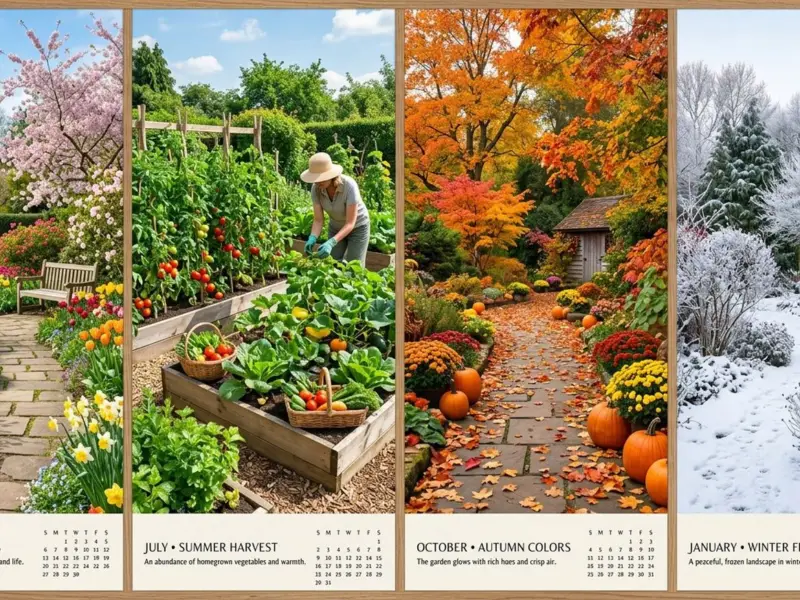
Late winter. Start long-season crops indoors; plan beds on paper with rotations marked; wake the compost bin and top-dress overwintered beds where soil is workable.
Spring. Direct-sow the cool squad, salads, radish, peas, carrot, in fortnightly waves. Harden off and plant tomatoes after frost. Sow herbs in succession and mulch paths.
Summer. Harvest is the chore that raises yield: pick zucchini small, beans before they string, basil above leaf pairs. Water deep in heat, feed fruiting crops at set, and sow autumn brassicas in shade.
Autumn. The second cool season: salads and roots again. Plant garlic, top-dress beds with finished compost, and let the bin eat the cleanup. Log the season while memory is warm.
Your First 30 Days with Vegetables & Herbs
Weekend one: pick the sunniest reachable spot, build or mark a bed no wider than 1.2 meters, and blend compost into the topsoil. Sow radish and salad immediately, feedback inside a month.
First month: add two crops from the forgiving seven, start the finger-test watering habit, and set up one container of herbs by the kitchen door. Begin the one-line garden log.
First season: run one tomato plant through its full cycle as your masterclass, start the compost bin, and close the season by writing next year’s plan from this year’s log, varieties that earned their space, and the one crop you will never grow again.
The Science, Briefly
Kitchen-garden results trace to three mechanisms. Soil temperature gates germination, peas at 4°C, tomatoes at 15°C-plus, making the thermometer a better sowing advisor than any calendar. Calcium mobility, not scarcity, drives blossom-end rot: irregular watering interrupts the stream that carries calcium into expanding fruit, which is why the fix is even moisture, not more product. Alliaceae and umbellifer chemistry, the aromatic oils in alliums and herbs, double as pest confusion for neighboring crops, the quiet logic behind herb-and-vegetable interplanting traditions worldwide.
10 Mistakes That Sink Gardeners in This Topic
- Planting more bed than your week can honestly water and weed.
- Beds beyond arm's reach, the middle third never gets tended.
- Full-sun crops in the only convenient spot; shade obedience beats convenience.
- Sowing everything the first warm weekend; soil temperature votes, not sunshine.
- Skipping thinning: crowded carrots and beets never size up.
- One zucchini too many; two plants feed a street.
- Watering leaves at evening instead of soil at morning.
- Hoarding harvest: overripe zucchini and bolted basil teach the same lesson: pick early, pick often.
- No rotation: tomatoes in the same soil invite their own blights back.
- Treating compost as optional; the bin is the garden's engine, not a hobby.
Myths Worth Retiring
“Vegetables need perfect soil from day one.” They need compost, repetition and patience; even clay becomes loam-like within seasons of feeding. Waiting for perfect soil means never starting.
“Blossom-end rot means buy calcium.” Most soils hold plenty; the rot is a watering irregularity story. Even moisture is the product that works.
“Bigger tomatoes taste better.” Flavor tracks variety, sun and ripeness-at-pick, cherry types routinely out-taste giants. Grow for flavor labels and local recommendations, not size ribbons.
“Compost piles attract rats, guaranteed.” Fruit-and-veg-only bins with lids and a hard base are uninteresting to rodents; meat and bread are what build the problem.
The Toolkit: What You Actually Need
- A digging fork and spade for annual bed renovation
- Quality hoe: five minutes of weekly scuffle beats hours of hand-weeding
- Soil thermometer for honest sowing dates
- Drip line or soaker hose on a cheap timer for the deep-and-rare rhythm
- Tomato cages or stakes installed at planting time
- Harvest basket and bypass snips, clean cuts, eager plants
- Two-bin compost system so one can always be finishing
- A garden notebook: the highest-return tool per gram ever invented
Plain-Language Glossary
- Bolting
- The crop's rush to flower and seed under stress or long days; ends harvest.
- Cut and come again
- Harvesting outer leaves so the plant regrows, salad economics.
- Blossom-end rot
- Black sunken fruit base from calcium interrupted by uneven water.
- Chitting
- Pre-sprouting seed potatoes in light before planting.
- Hardening off
- Outdoor acclimation week that readies indoor-raised transplants.
- Succession sowing
- Repeat sowings at intervals for continuous harvest.
- Interplanting
- Growing fast crops between slow ones to double bed-time value.
- Side-dressing
- Feeding alongside growing plants mid-season rather than at sowing.
- Topping
- Removing a plant's growing point to force branching, basil's best friend.
- Cold frame
- An unheated cover that extends seasons at both edges.
- N-fixing
- Legume root nodules that bank soil nitrogen for the crop that follows.
- Volunteer
- A self-sown seedling from last year's crop, welcome weed or disease carrier.
Regional Notes
Hot and dry: two real seasons (autumn and spring), summer for heat specialists, okra, amaranth, snake gourd, and shade cloth as a crop-saving tool; drip is near-mandatory. Humid tropics: the wet season grows compost crops and soil cover; the dry season grows the food; disease-resistant varieties earn their premium. Cold climates: the indoor seed runway and cold frames define the year; fast crops under 60 days carry the outdoor season. Coastal: mild, windy and slow to warm, windbreaks first, then the long gentle seasons coastal gardeners enjoy.
How This Hub Connects to the Rest of the Site
The kitchen garden depends on three sibling hubs for its ceiling: soil, water and fertilizer sets the fertility engine, the calendar logic from growing guides sets the dates, and the pest hub defends the yield. Compost closes its own loop, the bin eats the garden and the garden eats the bin.
The Deeper Why: Food Rewires the Gardener
Ornamental gardening teaches patience; food gardening teaches deadlines: and deadlines are the faster teacher. A salad sown late by two weeks simply never happens; a tomato transplanted before its season sulk visibly until it fails. The kitchen garden’s consequences are edible, immediate and impossible to rationalize away, which is why food growers develop timing instincts within a single season that ornamental gardeners build over five.
There is a second rewire: the compost loop. Once your garden’s waste feeds your garden’s soil, scraps to bin to bed to harvest to scraps, the garden stops being a consumer of inputs and becomes a loop. The feeling is difficult to describe and impossible to unlearn; most food gardeners report that the compost bin, not the harvest, is what converted them for life.
Advanced Field Notes
- Pre-sprout peas and beans indoors for 48 hours: near-certain stands, no gaps, and a week’s head start against soil too cold for comfort.
- Interplant radish with everything: they mark rows (so you do not weed the crop), break crust for slower seedlings, and finish before any neighbor needs the room.
- Topping basil is a weekly appointment, not a suggestion: every missed week is a stem gone woody and a plant halfway to flowers and retirement.
- Water fruiting crops by weight in pots: lift the container; the difference between moist and parched is kilograms you learn to read in a fortnight.
- Garlic planted in autumn is the kitchen garden’s risk-free crop: months of nothing, then harvest, with flavor no store bulb matches.
Common Objections, Answered
“Growing food saves nothing at my grocery prices.” Perhaps: measured in kilograms. Measured in flavor, in varieties stores never stock, in the harvest-to-table minutes that rewire eating habits, the yield is not in the spreadsheet.
“Pests will take everything.” Pests take monocultures and stressed plants. The mixed, healthy, scouted beds this hub builds lose margins, not harvests, and the allies page explains who eats the difference.
“I travel too much.” Then your garden is salad, herbs, and drip-irrigated tomatoes on timers: the crops that forgive absences. The calendar hub maps them; the container guide pots them.
Three Field Confessions
The year of the twelve zucchini plants. Enthusiasm, not math, chose the count. By August, neighbors locked their doors at harvest time. Two plants is abundance; twelve is a zoning issue, and the first entry in every seed-ordering rule I now follow.
The basil killed by kindness. Repotted into the richest compost, watered daily, fed weekly, and it yellowed like a fern. Basil wanted lean soil and neglectful watering; my generosity read, to it, as swamp. The Mediterranean herbs run a strict kindness budget to this day.
The calendar my tomatoes ignored. Sown by the packet’s dates for two disappointing seasons, then by a €3 soil thermometer, and everything shifted two weeks later and better. The seed companies write for an average country; the thermometer writes for my beds.
The 7-Day Starter Plan
Day 1: choose the bed site by the kitchen-door and six-hour-sun rules. Day 2: build or mark the bed, 1.2 meters maximum reach, and work in compost. Day 3: sow radish and salad; label everything. Day 4: plant one herb by the door and one tomato (in season). Day 5: set up watering, can, soaker, or drip, and mulch the paths. Day 6: start the compost bin with today’s kitchen scraps and dry leaves. Day 7: write the season’s crop list against the calendar guide’s windows.
Seven days from nothing to a working food garden with its own fertilizer plant, the rest of the season is tending and eating.
What size bed should a true beginner start with?
Three by three meters, or even one by three beside the kitchen door. Manageable beds get tended; ambitious beds get abandoned by August.
Which five crops give the best return for effort?
Salad greens, herbs, bush beans, cherry tomatoes and zucchini, fast, forgiving, and grocery-price-significant.
Can I really grow food in pots only?
Yes: salad, herbs, chilies and cherry tomatoes produce seriously in 30-60 cm pots; the trade is daily summer watering and weekly weak feeding.
How do I keep herbs alive through summer?
Group by water need, harvest hard to keep them juvenile, and let basil never see a cold night. Rosemary's rule: doubt means don't water.
Is compost tea or compost better for vegetables?
Compost is the meal; tea is a mild tonic. Build soil with compost, use tea as a supplement, never as the whole feeding plan.
Is it too late in the season to start?
Almost never: some fast crop fits the remaining window, and the calendar guide maps them. The only wrong start date is never.
How do I keep the garden going on vacation?
Deep mulch, drip on a timer, harvest-everything before leaving (it triggers regrowth), and neighbor's-picking rights in exchange for watering.
What do I do about a bed that failed completely?
Test before blaming luck: pH, texture, and light hours. Most total failures are one of those three, and all three are fixable before next season.
Are heirloom or hybrid varieties better for beginners?
Hybrids for disease resistance and reliability in year one; heirlooms for flavor once your skills carry them. The seed catalog's tags tell you which is which.
How much should I actually plant per person?
The honest starter math: two tomato plants, four salad sowings staggered, one zucchini (never two), one herb pot each of three favorites, a meter of beans.
Can I use supermarket produce as seed?
Sometimes: dry beans and peas sprout fine; tomatoes grow but vary; anything labeled hybrid will not come true. Fun experiment, unreliable plan.
Guides at a Glance
- Start a Vegetable Garden: Site, bed building, and honest sizing for your first season
- Easy Vegetables for Beginners: The forgiving seven, the divas to postpone, succession sowing
- How to Grow Tomatoes: Variety, deep planting, support, water discipline, feeding
- Herb Garden Essentials: Water-grouping, harvest-to-thicken, the mint containment rule
- Container Vegetable Gardening: Pot sizing per crop and the daily summer rhythm
- Composting at Home: Greens vs browns, system choice, troubleshooting by smell
What does “Bolting” mean in practice?
The crop's rush to flower and seed under stress or long days; ends harvest.
What does “Cut and come again” mean in practice?
Harvesting outer leaves so the plant regrows, salad economics.
What does “Blossom-end rot” mean in practice?
Black sunken fruit base from calcium interrupted by uneven water.
What does “Chitting” mean in practice?
Pre-sprouting seed potatoes in light before planting.
What does “Hardening off” mean in practice?
Outdoor acclimation week that readies indoor-raised transplants.
What does “Succession sowing” mean in practice?
Repeat sowings at intervals for continuous harvest.
Revision Cards: The Guides at a Glance
Start a Vegetable Garden: Site, bed building, and honest sizing for your first season. Budget: One weekend + one season.
Easy Vegetables for Beginners: The forgiving seven, the divas to postpone, succession sowing. Budget: One season.
How to Grow Tomatoes: Variety, deep planting, support, water discipline, feeding. Budget: One season.
Herb Garden Essentials: Water-grouping, harvest-to-thicken, the mint containment rule. Budget: Weeks to first harvest.
Container Vegetable Gardening: Pot sizing per crop and the daily summer rhythm. Budget: One season.
Composting at Home: Greens vs browns, system choice, troubleshooting by smell. Budget: Ongoing, 15 min/week.
Seasonal Checklist, Condensed
- Late winter. Start long-season crops indoors; plan beds on paper with rotations marked; wake the compost bin and top-dress overwintered beds where soil is workable..
- Spring. Direct-sow the cool squad, salads, radish, peas, carrot, in fortnightly waves.
- Summer. Harvest is the chore that raises yield: pick zucchini small, beans before they string, basil above leaf pairs.
- Autumn. The second cool season: salads and roots again.
Pace Yourself: The Long View
- Weekend one: pick the sunniest reachable spot, build or mark a bed no wider than 1.2 meters, and blend compost into the topsoil.
- First month: add two crops from the forgiving seven, start the finger-test watering habit, and set up one container of herbs by the kitchen door.
- First season: run one tomato plant through its full cycle as your masterclass, start the compost bin, and close the season by writing next year’s plan from this year’s log, varieties that earned their space, and the one crop you will never grow again..
Advanced Vocabulary, Applied
- Interplanting: Growing fast crops between slow ones to double bed-time value.
- Side-Dressing: Feeding alongside growing plants mid-season rather than at sowing.
- Topping, Removing a plant's growing point to force branching, basil's best friend.
- Cold Frame: An unheated cover that extends seasons at both edges.
- N-Fixing: Legume root nodules that bank soil nitrogen for the crop that follows.
- Volunteer, A self-sown seedling from last year's crop, welcome weed or disease carrier.
Study Notes: The Guides in Brief
- Bed First, Seeds Later: The start guide's real lesson is that vegetables are a siting problem before they are a sowing problem: six to eight hours of direct sun disqualifies more yards than any soil issue, and the walk from kitchen door to bed predicts how often you will actually tend it.
- The Forgiving Seven: Beginner crops share three traits: fast maturity (fewer weeks for disaster), forgiving watering needs, and pests that rarely end the story.
- Tomato Mastery: Tomatoes reward precision like no other crop.
- Herbs by Water Group: The herb guide's one insight organizes everything: group by thirst.
- Containers, Seriously: Balcony growing is gardening with the safety rails on: perfect soil, mobile crops, near-zero back strain, traded for a daily summer watering rhythm.
- The Compost Loop: Composting closes the kitchen-garden circle: scraps and leaves become the black matter every other guide borrows.
Frequently Asked: The Index
- What size bed should a true beginner start with?
- Which five crops give the best return for effort?
- Can I really grow food in pots only?
- How do I keep herbs alive through summer?
- Is compost tea or compost better for vegetables?
- Is it too late in the season to start?
- How do I keep the garden going on vacation?
- What do I do about a bed that failed completely?
- Are heirloom or hybrid varieties better for beginners?
- How much should I actually plant per person?
- Can I use supermarket produce as seed?
Practice Drills for This Week
- Drill 1: Bolting: find this concept in your own garden this week and write one line about it in the log.
- Drill 2: Cut And Come Again: find this concept in your own garden this week and write one line about it in the log.
- Drill 3: Blossom-End Rot: find this concept in your own garden this week and write one line about it in the log.
- Drill 4: Chitting: find this concept in your own garden this week and write one line about it in the log.
- Drill 5: Hardening Off: find this concept in your own garden this week and write one line about it in the log.
- Drill 6: Succession Sowing: find this concept in your own garden this week and write one line about it in the log.
- Drill 1: Bolting: find this concept in your own garden this week and write one line about it in the log.
- Drill 2: Cut And Come Again: find this concept in your own garden this week and write one line about it in the log.
- Drill 3: Blossom-End Rot: find this concept in your own garden this week and write one line about it in the log.
- Drill 4: Chitting: find this concept in your own garden this week and write one line about it in the log.
- Drill 5: Hardening Off: find this concept in your own garden this week and write one line about it in the log.
- Drill 6: Succession Sowing: find this concept in your own garden this week and write one line about it in the log.
All Vegetables & Herbs guides
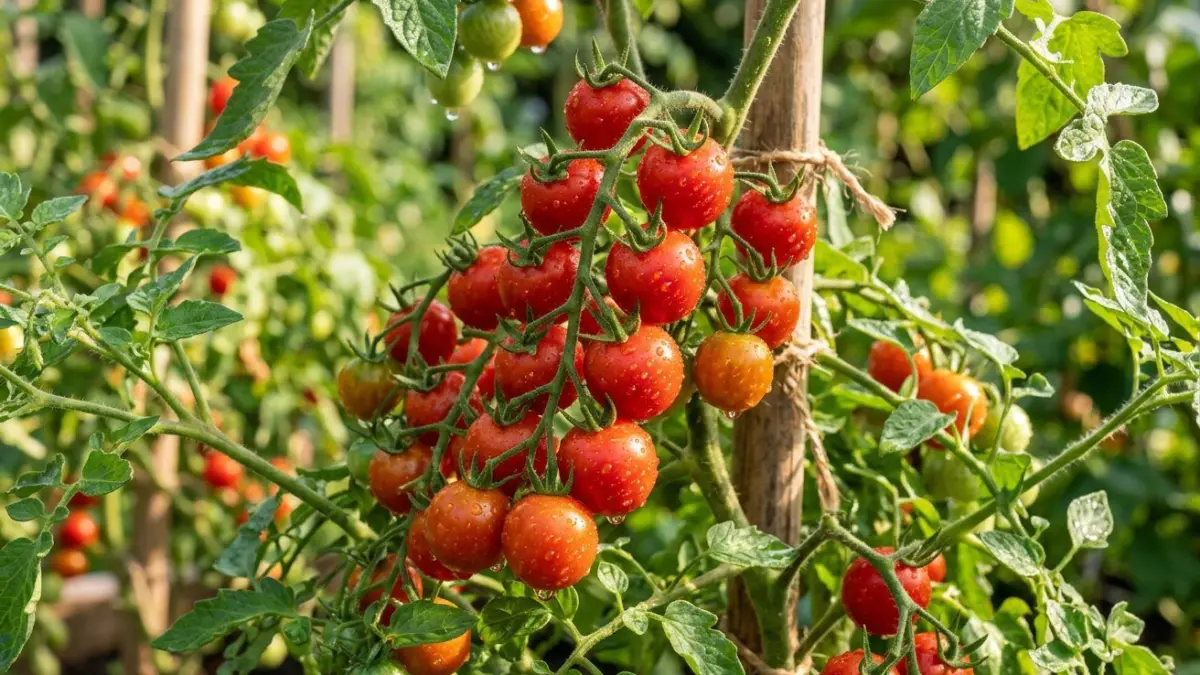
How to Start a Vegetable Garden from Scratch
Site selection, bed building, soil prep and the first season's plan, everything a brand-new food grower needs, in one honest step-by-step guide.
7 Easiest Vegetables to Grow (and 3 to Skip for Now)
Radishes to zucchini: the crops that forgive imperfect soil, irregular watering and beginner nerves, plus the divas worth postponing until year two.
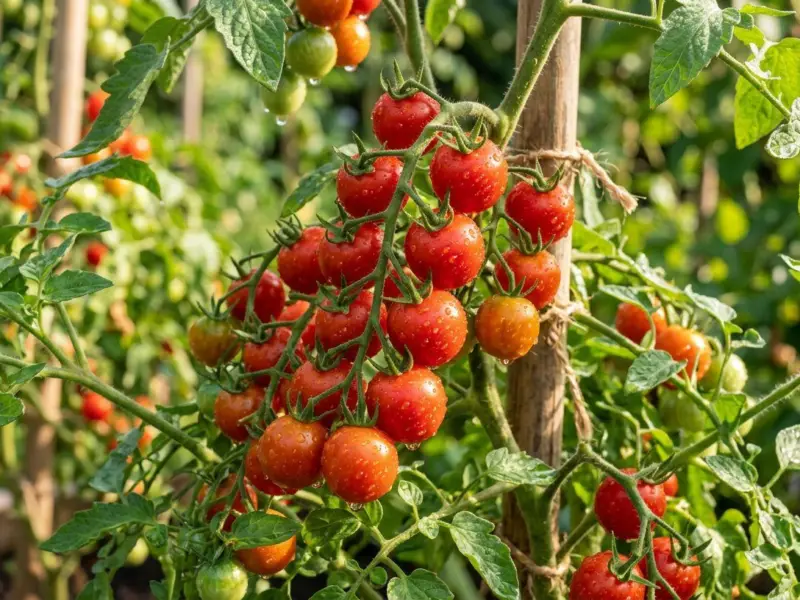
How to Grow Tomatoes: From Seed to Sauce
Determinate vs indeterminate, planting deep, pruning suckers, watering discipline and blossom-end rot fixes, the complete tomato playbook.
Herb Garden Essentials: The 8 Herbs Worth Growing
Mint to rosemary: which herbs to plant together (and which to separate), sunlight rules, and the harvesting habit that makes herbs bushier every time you cut.
Container Vegetable Gardening: Grow Food Anywhere
Balconies, patios and doorsteps can grow serious food. Pot sizes per crop, the daily-watering rhythm, and the best vegetables for containers ranked.
Composting at Home: Turn Kitchen Waste into Garden Gold
Greens vs browns, bin styles, the 18-day fast method and troubleshooting smells: compost everything you already throw away into the best fertilizer you'll never buy.
Companion Planting: What Grows Well Together (and What the Evidence Says)
Companion planting works best when it uses real mechanisms: trap crops, pollinator magnets, shade, nitrogen fixing and pest confusion. See which classic pairings are proven, which…
Harvesting and Storing Vegetables: When to Pick and How to Keep
Pick vegetables at peak flavour with simple ripeness signals, then cure, chill, freeze or store them correctly so your harvest lasts for weeks or months.