Preventing Garden Problems Before They Start (The Master Guide)

Ask any master gardener their secret and it is unglamorous: they prevent. Every hour of prevention saves ten of cure — and most garden catastrophes trace back to a skipped basic months earlier. This is the checklist to run before and through every season.

The Ten-Point Prevention Checklist

  • 1. Right plant, right place — light and soil matched
  • 2. Airflow spacing at mature size, not nursery size
  • 3. Morning, soil-level watering only
  • 4. Mulch everywhere soil shows
  • 5. Crop rotation yearly; no replanting sick spots
  • 6. Clean tools between sick plants
  • 7. Resistant varieties in disease-prone regions
  • 8. Quarantine new plants a week
  • 9. Weekly 5-minute scouting walk
  • 10. Feed the soil, not just the plant

Spacing and Airflow — The Free Fungicide

Most fungal disease is a design flaw: crowded plants hold humidity like a greenhouse. Plant to mature width — the design discipline from our border guide — and prune for open centers per our pruning guide. Air moving through a garden is disease dying.

Water and Mulch — The Stress Killers

Stressed plants send out invitations: drought-stressed plants summon mites, overwatered ones grow root rot, wet-leaved ones host mildew. The deep-and-rare watering rhythm from our watering guide, automated properly via our drip guide, plus the mulch layer of our mulch guide, removes most stress before it exists.

Sanitation and Rotation — Breaking Cycles

Diseases and pests overwinter in fallen leaves, old fruit and last year’s stems. Autumn cleanup removes their hotels. Rotate vegetable families yearly — tomatoes following beans, never tomatoes following tomatoes — because soil-borne blights build where hosts repeat, per the planning logic of our bed guide. And disinfect pruners between sick plants: ten seconds of alcohol versus an epidemic.

The Weekly Scouting Walk

Five minutes, coffee in hand, looking at leaf undersides, new growth and stem bases. Problems caught at day three are squished between fingers; problems caught at week three need the full arsenal of our pest control guide. Early detection is the entire difference — the observing habit from our diagnostic guide, applied garden-wide.

Common Mistakes to Avoid

  • Buying plants on impulse without checking their disease resume.
  • Treating prevention as spring-only — autumn cleanup matters equally.
  • Chasing cures for problems prevention would have priced at zero.

Frequently Asked Questions

What single prevention habit pays most?

Morning, soil-level watering with mulched beds — it starves fungal disease, deepens roots and halves pest pressure in one move.

Is a completely problem-free garden possible?

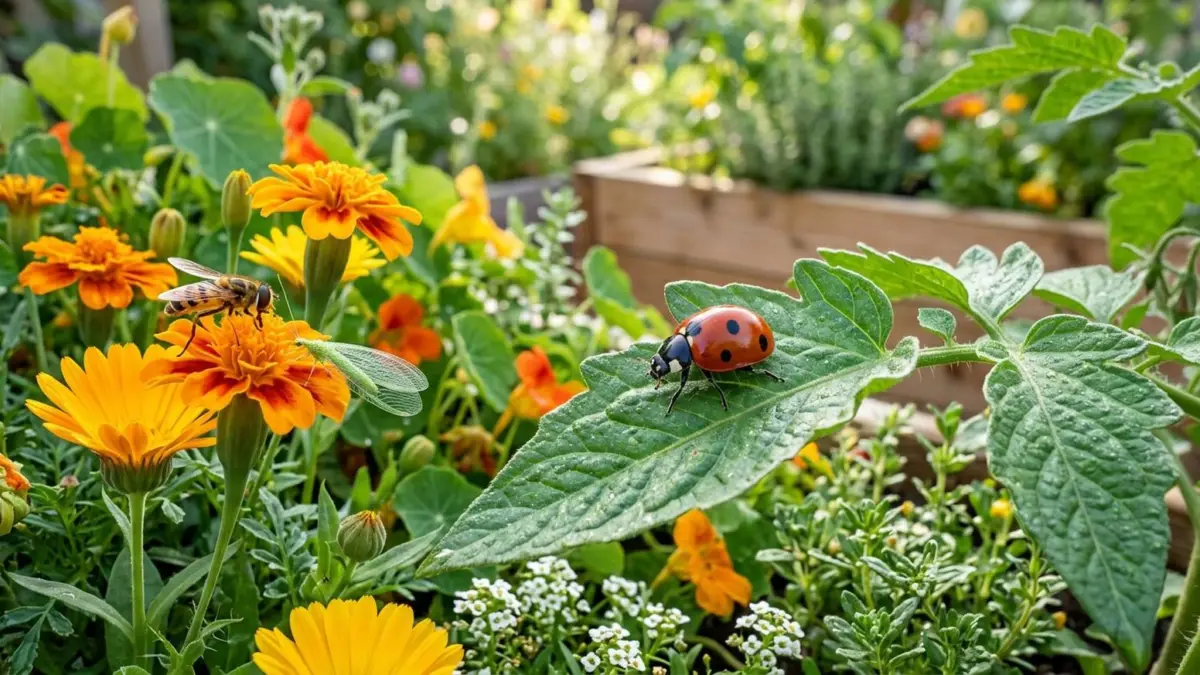
No — and that is fine. A balanced garden holds small pest populations patrolled by the allies from our allies guide. Zero pests usually means zero ecosystem, which is itself a problem.

You have completed the final learning path! Return to the hub anytime, or start a new journey from the growing guides hub.

The Tool Hygiene Protocol for garden prevention

Tools move disease faster than wind: pruners between blighted and healthy stems, the shovel between infected beds, even the watering can’s spore-laden rim. The protocol is thirty seconds of discipline — isopropyl wipes or 10% bleach dip between sick plants, a dedicated bucket for diseased clippings (never the compost), gloves washed after handling mildew, and blades sharpened clean so cuts seal fast.

Outbreaks traced backwards so often end at a tool that the protocol is prevention’s cheapest line item: a wipe that saves a rose, a bucket that saves a bed.

The Threshold Ladder for garden prevention

Response scales with evidence, not emotion. Level 1 — scattered pests, no spread: observe; note in the log; squish by hand. Level 2 — damage visible on a quarter of the plant: targeted treatment at dusk — water blast, soap, neem — repeated on the 5–7 day cycle. Level 3 — spreading daily, allies absent: escalate to the stronger tool the pest’s biology allows (BTK for caterpillars, netting, removal). Level 4 — structural plant at risk: every option on the table, targeted and timed to spare pollinators.

Most gardeners live at the wrong level — acting at 1 (wasting allies) or waiting past 3 (losing crops). The ladder prices each decision honestly.

Deep Dive: What Experienced Growers Know About garden prevention

The scouting walk has a technique: same route, same time weekly, with three stopping points where you part leaves and check undersides. Fixed routes reveal change — the brain compares against last week’s version of the same view — while random wandering normalizes slow disaster. Add one new observation each walk (a photo, a measurement) and the notebook becomes the garden’s medical chart, catching patterns across years no memory holds.

Key Takeaways

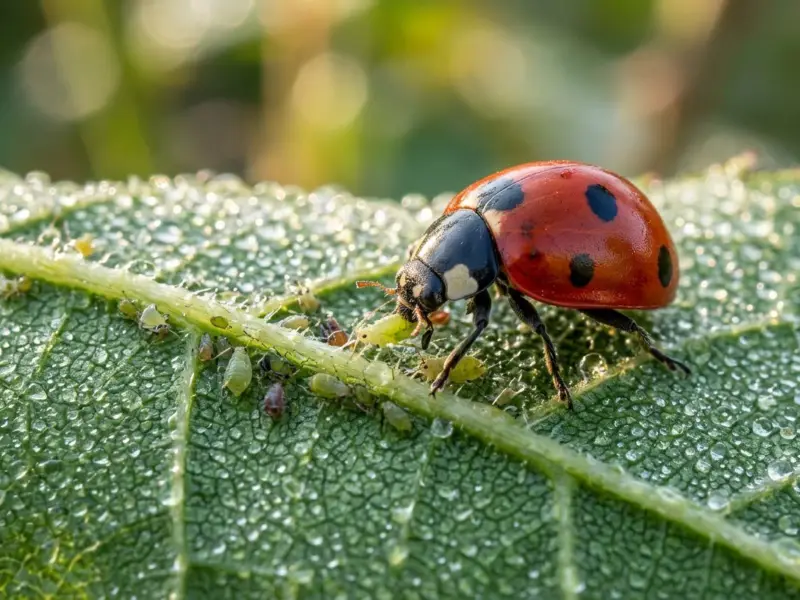
  • Mummy: An aphid parasitized by wasps, turned bronze and swollen; a good-luck charm.
  • Phytotoxicity: Spray burn from wrong strength, wrong time or wrong product.
  • Exclusion: Barriers that prevent pests arriving — always cheaper than removal.
  • Systemic Pesticide: Absorbed into plant tissue including nectar; the pollinator betrayal.

More Questions About Garden Prevention

What single habit prevents the most problems?

Morning, soil-level watering with mulched beds — it starves fungal disease, deepens roots, and halves pest pressure in one move.

Is autumn cleanup really necessary?

It is prevention's biggest lever: diseased leaves and overwintering pests are removed from next year's story. Leave some stems for bees — selectively.

How do I prevent problems in a new garden?

Quarantine new plants, plant to mature size, mulch from day one, and run the checklist monthly. New gardens are blank prevention paper.

Field Questions Answered

When do I call a professional arborist?

Trunk decay, large-limb work, anything near power lines, and any tree you value showing internal rot. Arborists are cheaper than funerals and lawsuits.

What should I do the moment I see unknown damage?

Photograph it, note the pattern (leaves? stems? fruit?), check for allies, and wait one day before acting — unless the pest is visibly migrating. Twenty minutes of identification beats a week of wrong treatment.

Is it true that healthy plants resist pests better?

Documented and dramatic: properly watered, fed and spaced plants emit different chemistry and physically resist what stressed neighbors surrender. Prevention is plant health.

How do I know a spray actually worked?

Count, don't guess: mark three leaves, count pests before, recount at day 5 — 80% down means the cycle worked; otherwise change tool, not just dose.

Common Mistakes to Avoid with Garden Prevention

  • Spraying before identifying — the wrong weapon recruits the next problem.
  • Killing ladybug larvae and lacewing nymphs as 'ugly bugs'.
  • Broad-spectrum sprays that blitz allies and leave pests to rebound alone.
  • Composting diseased plants; most home piles never reach sterilizing heat.
  • Watering leaves at evening — the standing mildew reservation.

Further Field Questions

What should I do the moment I see unknown damage?

Photograph it, note the pattern (leaves? stems? fruit?), check for allies, and wait one day before acting — unless the pest is visibly migrating. Twenty minutes of identification beats a week of wrong treatment.

Is it true that healthy plants resist pests better?

Documented and dramatic: properly watered, fed and spaced plants emit different chemistry and physically resist what stressed neighbors surrender. Prevention is plant health.

How do I know a spray actually worked?

Count, don't guess: mark three leaves, count pests before, recount at day 5 — 80% down means the cycle worked; otherwise change tool, not just dose.

Can I prevent mildew entirely?

In most gardens, yes: morning soil-level water, air-spaced planting, resistant varieties, and weekly bicarbonate before symptoms. Prevention is the whole game.

What's worth buying versus making?

Buy: neem, BTK, netting, sticky traps, copper — precision products. Make: soap spray, garlic-chili, compost tea — fresh, cheap, effective. Buy the hard, make the fresh.

When do I call a professional arborist?

Trunk decay, large-limb work, anything near power lines, and any tree you value showing internal rot. Arborists are cheaper than funerals and lawsuits.

Further Field Questions

What should I do the moment I see unknown damage?

Photograph it, note the pattern (leaves? stems? fruit?), check for allies, and wait one day before acting — unless the pest is visibly migrating. Twenty minutes of identification beats a week of wrong treatment.

Is it true that healthy plants resist pests better?

Documented and dramatic: properly watered, fed and spaced plants emit different chemistry and physically resist what stressed neighbors surrender. Prevention is plant health.

How do I know a spray actually worked?

Count, don't guess: mark three leaves, count pests before, recount at day 5 — 80% down means the cycle worked; otherwise change tool, not just dose.

Can I prevent mildew entirely?

In most gardens, yes: morning soil-level water, air-spaced planting, resistant varieties, and weekly bicarbonate before symptoms. Prevention is the whole game.

What's worth buying versus making?

Buy: neem, BTK, netting, sticky traps, copper — precision products. Make: soap spray, garlic-chili, compost tea — fresh, cheap, effective. Buy the hard, make the fresh.

When do I call a professional arborist?

Trunk decay, large-limb work, anything near power lines, and any tree you value showing internal rot. Arborists are cheaper than funerals and lawsuits.

Further Field Questions

What should I do the moment I see unknown damage?

Photograph it, note the pattern (leaves? stems? fruit?), check for allies, and wait one day before acting — unless the pest is visibly migrating. Twenty minutes of identification beats a week of wrong treatment.

Is it true that healthy plants resist pests better?

Documented and dramatic: properly watered, fed and spaced plants emit different chemistry and physically resist what stressed neighbors surrender. Prevention is plant health.

How do I know a spray actually worked?

Count, don't guess: mark three leaves, count pests before, recount at day 5 — 80% down means the cycle worked; otherwise change tool, not just dose.

Can I prevent mildew entirely?

In most gardens, yes: morning soil-level water, air-spaced planting, resistant varieties, and weekly bicarbonate before symptoms. Prevention is the whole game.

What's worth buying versus making?

Buy: neem, BTK, netting, sticky traps, copper — precision products. Make: soap spray, garlic-chili, compost tea — fresh, cheap, effective. Buy the hard, make the fresh.

When do I call a professional arborist?

Trunk decay, large-limb work, anything near power lines, and any tree you value showing internal rot. Arborists are cheaper than funerals and lawsuits.

Further Field Questions

What should I do the moment I see unknown damage?

Photograph it, note the pattern (leaves? stems? fruit?), check for allies, and wait one day before acting — unless the pest is visibly migrating. Twenty minutes of identification beats a week of wrong treatment.

Is it true that healthy plants resist pests better?

Documented and dramatic: properly watered, fed and spaced plants emit different chemistry and physically resist what stressed neighbors surrender. Prevention is plant health.

How do I know a spray actually worked?

Count, don't guess: mark three leaves, count pests before, recount at day 5 — 80% down means the cycle worked; otherwise change tool, not just dose.

Can I prevent mildew entirely?

In most gardens, yes: morning soil-level water, air-spaced planting, resistant varieties, and weekly bicarbonate before symptoms. Prevention is the whole game.

What's worth buying versus making?

Buy: neem, BTK, netting, sticky traps, copper — precision products. Make: soap spray, garlic-chili, compost tea — fresh, cheap, effective. Buy the hard, make the fresh.

When do I call a professional arborist?

Trunk decay, large-limb work, anything near power lines, and any tree you value showing internal rot. Arborists are cheaper than funerals and lawsuits.

Further Field Questions

What should I do the moment I see unknown damage?

Photograph it, note the pattern (leaves? stems? fruit?), check for allies, and wait one day before acting — unless the pest is visibly migrating. Twenty minutes of identification beats a week of wrong treatment.

Is it true that healthy plants resist pests better?

Documented and dramatic: properly watered, fed and spaced plants emit different chemistry and physically resist what stressed neighbors surrender. Prevention is plant health.

How do I know a spray actually worked?

Count, don't guess: mark three leaves, count pests before, recount at day 5 — 80% down means the cycle worked; otherwise change tool, not just dose.

Can I prevent mildew entirely?

In most gardens, yes: morning soil-level water, air-spaced planting, resistant varieties, and weekly bicarbonate before symptoms. Prevention is the whole game.

What's worth buying versus making?

Buy: neem, BTK, netting, sticky traps, copper — precision products. Make: soap spray, garlic-chili, compost tea — fresh, cheap, effective. Buy the hard, make the fresh.

When do I call a professional arborist?

Trunk decay, large-limb work, anything near power lines, and any tree you value showing internal rot. Arborists are cheaper than funerals and lawsuits.