Quick answers
- Why is my plant wilting even though the soil is wet?
- Usually root rot from poor drainage or overwatering, or a vascular disease such as fusarium or bacterial wilt. Check the roots: healthy ones are pale and firm; rotten ones are brown and mushy.
- How do I tell bacterial wilt from drought?
- Cut a wilted stem near the base and put it in a glass of clear water. If milky threads stream out within a minute or two, it is bacterial wilt. Drought wilting recovers after watering.
- Why are the leaves turning yellow?
- The pattern matters. Lower leaves yellowing is often nitrogen shortage or overwatering; yellow between veins on new leaves suggests iron deficiency; overall pale plants point to low light.
- What causes black, sunken patches on the bottom of tomatoes?
- Blossom end rot, a calcium uptake problem caused mostly by irregular watering, not a lack of calcium in the soil. Keep moisture even and mulch.
Key takeaways
- Look at the pattern: which leaves, which side of the plant, which part of the leaf.
- Check soil moisture and roots before anything else. Water causes most wilt and yellowing.
- One-sided wilt points to a vascular disease. Even wilt points to water or heat stress.
- New growth shows immobile-nutrient problems; old growth shows mobile ones.
- Change one thing at a time, and wait two weeks before judging the result.
- Keep records and photos. Patterns across seasons reveal causes.
Table of contents10 sections
When a plant looks wrong, the temptation is to reach for a spray or fertiliser. Resist. The same symptom, such as a wilting tomato or a yellowing courgette, can have five very different causes, and the right treatment for one makes the others worse. A methodical approach finds the cause in a few minutes and saves plants and money.
This guide gives you a decision-tree approach to diagnose common mystery symptoms. It forms part of the Pests & Diseases pillar and expands the basics in Reading Plant Signals and Houseplant Problems & Fixes.
A five-step diagnostic routine
- Describe the symptom exactly. Which leaves (old, young, all)? Where on the leaf (edges, tips, between veins)? One plant or many? Sudden or gradual?
- Check the basics. Soil moisture, drainage, light, temperature, recent changes (repotting, weather, spraying).
- Examine roots and stems. Lift the plant, look at roots, and cut a stem near the base to check for brown vascular tissue.
- Inspect closely. Look at the undersides of leaves, new growth and stems for insects, webbing, sticky honeydew or fungal growth. Use a hand lens.
- Act on the most likely cause, change one thing, and review in 7–14 days.
Wilting
| Clue | Likely cause | What to do |
|---|---|---|
| Soil dry, recovers after watering | Underwatering or heat stress | Water deeply; mulch; shade in extreme heat |
| Soil wet, plant limp, roots brown and soft | Root rot / overwatering | Improve drainage; reduce watering; repot into fresh mix |
| Wilting on one side or one branch, brown streaks inside stem | Fusarium or verticillium wilt | Remove the plant; do not replant the same family in that soil for 3–4 years; choose resistant varieties |
| Sudden collapse of green plant; milky threads in water test | Bacterial wilt | Remove and dispose; control cucumber beetles; rotate |
| Seedlings collapse at soil line | Damping-off | Sterile mix, less water, airflow (see sowing seeds) |
| Wilting with holes or sawdust at the stem base | Stem borer or vine borer | Slit the stem and remove the grub; earth up the stem |
| Midday wilt that recovers by evening | Normal heat response | Water deeply in the morning; do not overwater |
Yellowing leaves
| Pattern | Likely cause | Fix |
|---|---|---|
| Lower leaves yellow evenly, plant pale | Nitrogen deficiency or overwatering | Check moisture; feed with organic nitrogen (compost, fish emulsion) |
| New leaves yellow, veins stay green | Iron deficiency, often high pH or wet soil | Test pH; improve drainage; chelated iron |
| Older leaves yellow between veins | Magnesium deficiency | Epsom salt (1 tbsp per litre) as a foliar spray |
| Yellow, mottled, curled leaves with stunted growth | Virus (often spread by aphids) | Remove the plant; control aphids; wash hands and tools |
| Yellow patches with fine webbing underneath | Spider mites | Spray with water, soap or neem; raise humidity |
| Whole plant pale, stretched | Low light | Move to a sunnier spot or add a grow light |
Spots, holes and coatings
- Brown spots with yellow halos: fungal or bacterial leaf spot. Remove affected leaves, water at the base and improve airflow.
- Concentric rings on tomato or potato leaves: early blight. Remove lower leaves, mulch and rotate crops.
- White powder: powdery mildew. Thin crowded growth; spray with diluted milk or potassium bicarbonate.
- Ragged holes: caterpillars, slugs or beetles. Look at night with a torch or check for droppings.
- Small round holes in young brassica leaves: flea beetles. Cover with fine mesh.
- Silvery trails and slime: slugs and snails.
- Sticky leaves and black soot: aphids, scale or whitefly producing honeydew.
Distorted and stunted growth
- Curled, puckered new leaves: aphids, herbicide drift, or virus.
- Stunted plants, poor roots: compacted soil, root pests (see Preventing Soil Compaction), nematodes, or very cold soil.
- Leaves with twisted, strap-like growth: hormone herbicide contamination (check manure, compost and nearby spraying).
- Fruit that fails to form: poor pollination, heat or cold stress (see Flowers That Attract Pollinators).
Fruit problems
- Blossom end rot (black patch at bottom of tomatoes, peppers, squash): irregular watering limits calcium uptake. Mulch and water evenly.
- Cracked tomatoes: sudden heavy watering after dry spells.
- Bitter cucumbers: heat or water stress.
- Misshapen strawberries: poor pollination or frost damage to flowers.
When to remove a plant
Pull and dispose of plants with systemic diseases (wilt, viruses, severe blight) rather than hoping they recover. Bin them, do not compost, and clean tools afterwards. Replace the soil in pots, and rotate crops in beds (see Garden Hygiene).
Pitfalls to watch for
- Spraying fungicide or insecticide before diagnosing
- Giving more water to a plant that is already overwatered
- Fertilising a plant with damaged roots
- Changing several things at once, so you cannot tell what worked
- Replanting the same crop family in soil that carried wilt disease
What experienced gardeners do differently
- Photograph symptoms from several angles with the date; compare week to week.
- Send photos and a sample to a local plant clinic or extension service when uncertain.
- Keep a garden journal with weather, treatments and results; patterns will emerge.
Related guides worth your time
Learn organic pest control in Common Garden Pests, explore 7 Natural Remedies Every Gardener Should Know and prevent future trouble through Preventing Garden Problems Early. Back to Pests, Diseases & Natural Care.
More in Pests & Diseases
Common Garden Pests & Organic Control That Actually Works
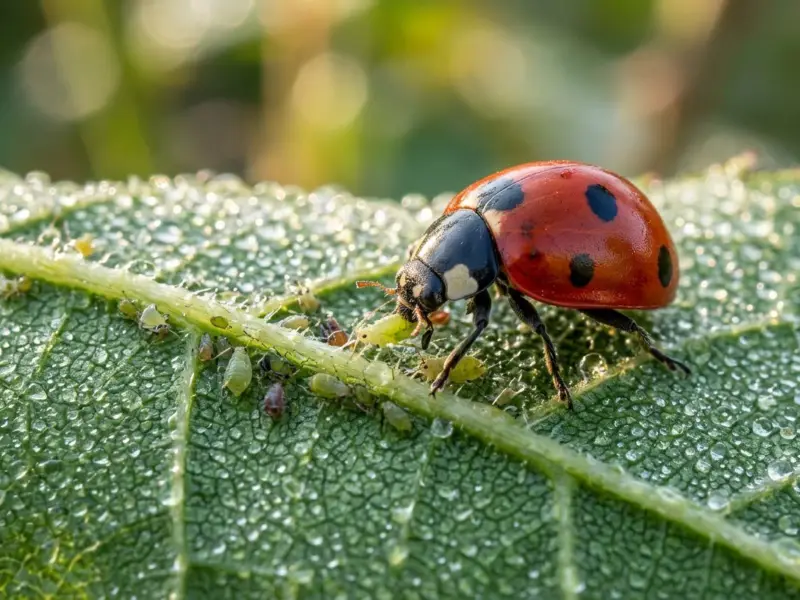
Aphids, whiteflies, spider mites, caterpillars, grubs: identify each by its damage, then apply the specific organic counter-measure, ranked by effectiveness.
Plant Diseases: Identify and Treat the Big Five
Powdery mildew, black spot, blight, rust and root rot, symptom photos in words, immediate treatment, and the prevention that stops recurrences.

Beneficial Insects: Your Garden’s Best Hired Hands
Ladybugs, lacewings, hoverflies, parasitic wasps and earthworms: meet the pest patrol, learn to attract them, and stop accidentally killing your own staff.