Low-Maintenance Flower Borders That Look Professionally Designed

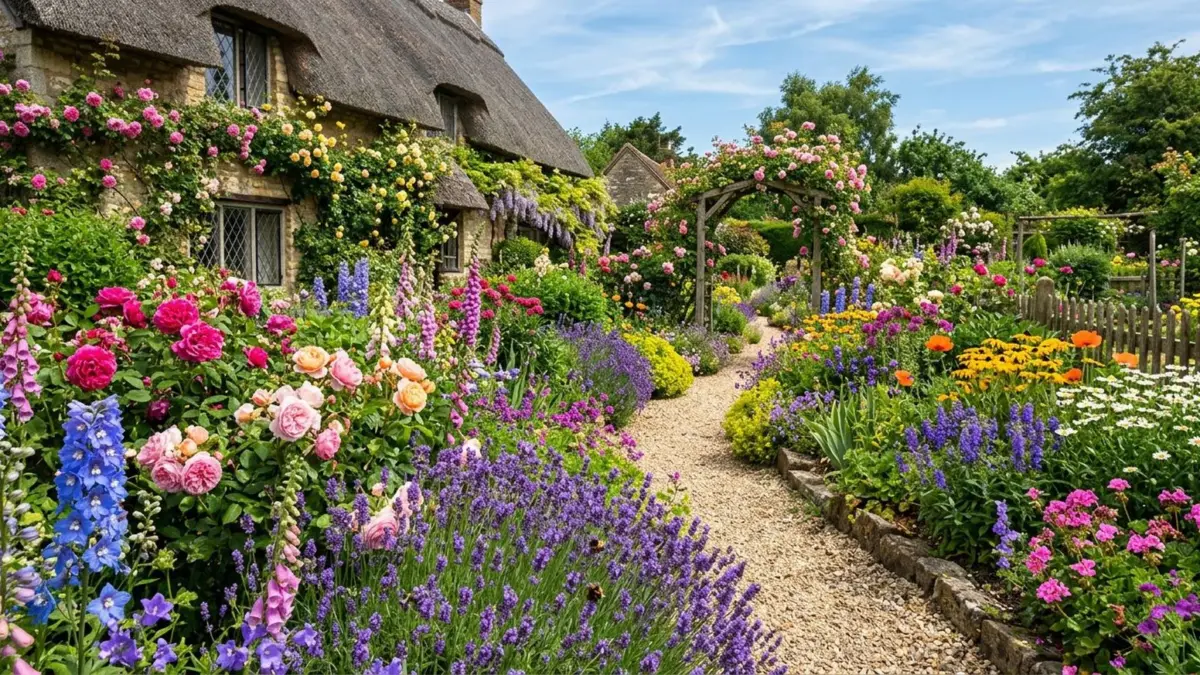
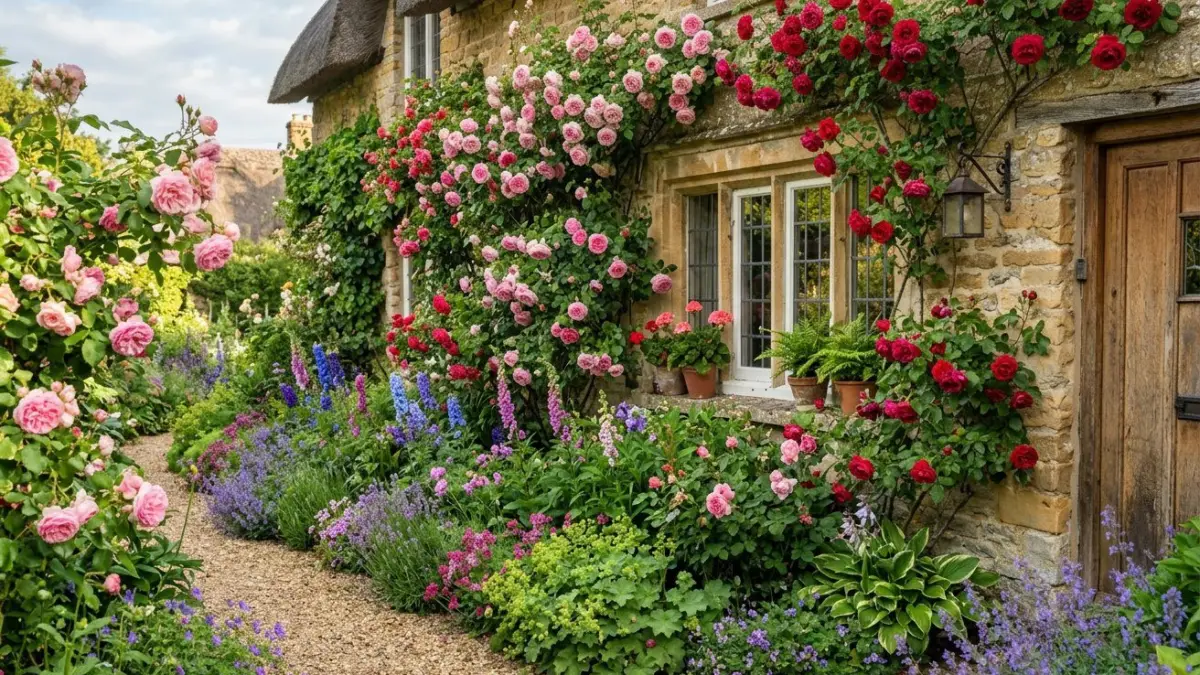
The professionally designed borders that stop traffic share one secret: they are systems, not collections. Choose plants by their jobs — structure, color, filler, cover — and the border largely maintains itself. This guide gives you the exact formula.

The Professional Formula

  • 60% structure plants (shrubs, grasses) — the skeleton
  • 30% seasonal color (perennials) — the wardrobe
  • 10% accents (annuals, bulbs) — the jewelry
  • Never plant singles — repeat in groups of 3 or 5

Step 1 — Right Plant, Right Place

Ninety percent of garden labor is caring for a plant in the wrong spot: sun-lover in shade, thirsty plant in fast-draining sand. Match each plant’s needs to your actual conditions using the diagnoses from our soil type guide and light-mapping from full sun planting. A border built on this single principle needs a fraction of the watering, feeding and replacing.

Step 2 — Build the Bones

Structure first

Evergreen shrubs and ornamental grasses planted in repeated groups give the border its winter shape and your eye a resting rhythm. Place the tallest at the back or center of island beds, stepping down in tiers — the layering logic from our garden design hub.

Plant in triangles

Arrange each group of three as a triangle, offset slightly, never in a row. Stagger triangles through the bed so colors weave rather than block. This one trick is what makes amateur borders look designed.

Step 3 — Cover the Floor

Expose soil is a weed nursery and an evaporation pan. Creep groundcovers (creeping jenny, thyme, sweet alyssum) between plants and finish with 5 cm of mulch — the double-layer method detailed in our mulching guide. Water needs drop accordingly; the deep-and-rare rhythm from our watering guide applies here too.

Step 4 — Color With Intent

Limit the palette to two or three colors plus green, repeated through the bed. Cool blues and purples calm; hot oranges and reds energize — choose your mood deliberately with the palette method in our color theory guide.

Common Mistakes to Avoid

  • Buying one of everything at the nursery — repetition is the design.
  • Skipping the mulch — the maintenance difference is enormous.
  • Forgetting winter; structure plants are what you see in January.

Frequently Asked Questions

How wide should a border be?

Deep enough for three tiers: 1.2 m minimum, 2 m+ for a full show. Narrow borders along paths still work beautifully with two tiers.

How do I keep weeds down without hours of work?

Dense planting plus mulch, refreshed once a year. Groundcover does the weeding for you — it is the slowest-weed, fastest-beauty investment in the garden.

You have completed the flower path! Return to the flower gardening hub anytime, or bring the color indoors with indoor plants.

Feeding Flowers Without Feeding Leaves for flower borders

The bloom-leaf trade is nitrogen arithmetic: high N grows foliage factories at flower expense. The working schedule: balanced feed as growth starts, then low-N (tomato-type) formulas at first bud, repeated lightly at half the packet’s enthusiasm every three to four weeks. Compost top-dressing covers the baseline; liquid feeds only answer specific demands — bud set, post-deadheading recovery, container leaching.

The visual test outranks any schedule: dark lush mounds without buds are being fed like lawns; pale stunted plants are being fed like cacti. Both corrections are one application away.

The Bloom-Sequence Planner for flower borders

Continuous bloom is a scheduling problem solved on paper: list your plants with their bloom months, then hunt the empty months. The standard gaps and their fills: early spring — bulbs and hellebores; late spring lull — biennials (foxglove, sweet william) and late tulips; midsummer — the perennial workhorses and annual sowing; the September silence — asters, sedums, and grasses; winter structure — seedheads, evergreens, and the deciduous drama of decorative bark.

One planning evening with a twelve-column table ends the boom-and-bust cycle permanently. The border stops being an event and becomes a broadcast.

Deep Dive: What Experienced Growers Know About flower borders

The 60-30-10 formula earns its maintenance savings in year two, when structure plants shade the soil so thoroughly that weeds lose their germination windows. Choose structure for winter presence — evergreens, grasses, strong seedheads — because a border that looks composed in February is the one that looks effortless in June. The accent 10% is where experimentation lives: annuals and bulbs rotate annually without disturbing the permanent cast, keeping the border fresh without redesign.

Key Takeaways

  • Interveinal Yellowing: Yellow between green veins, signaling nutrient or pH lockout.
  • Corm: A solid bulb-like stem base (gladiolus, freesia), usually one-season.
  • Rhizome: A creeping horizontal stem (iris, canna) that must ride near or above soil.
  • Bract: A modified leaf that acts as the flower's color — bougainvillea's 'petals' are bracts.

More Questions About Flower Borders

How wide should a border be?

1.2 meters minimum for three tiers, 2+ meters for the full show; narrow path-side borders work beautifully with two tiers.

What's the lowest-water border strategy?

Right plant right place, then groundcover-and-mulch floor, then deep-and-rare watering — the border trains its own roots to survive on less.

Can I convert a lawn edge into a border gradually?

Yes — sheet-mulch one section per year with cardboard and compost. Each autumn another strip joins; no digger required.

Field Questions Answered

How do I stop tall flowers flopping?

Grow-through grids installed when stems are knee-high, the Chelsea chop in late spring, and less nitrogen. Staking after the flop fixes nothing.

How do I keep containers blooming all summer?

Weekly weak feeding — daily watering leaches everything — plus relentless deadheading. Container color is a feeding discipline, not a plant choice.

Why do my perennials bloom less each year?

Congestion. Most clumps peak at year three, then need division — lift, split, replant the vigorous outer sections, compost the center.

Is morning or evening the time to cut flowers?

Morning, after dew dries — stems are turgid and hydrated. Condition in deep cool water for hours before arranging.

Common Mistakes to Avoid with Flower Borders

  • Choosing plants for tag-color while ignoring the light numbers on the same tag.
  • Wet leaves overnight — the standing invitation to mildew and black spot.
  • Cutting bulb foliage six weeks early, shrinking next year's bloom.
  • Planting one of everything; borders need repetition, not variety shows.
  • Crowding new plantings for instant fullness and harvesting a mildew factory.

Further Field Questions

How do I keep containers blooming all summer?

Weekly weak feeding — daily watering leaches everything — plus relentless deadheading. Container color is a feeding discipline, not a plant choice.

Why do my perennials bloom less each year?

Congestion. Most clumps peak at year three, then need division — lift, split, replant the vigorous outer sections, compost the center.

Is morning or evening the time to cut flowers?

Morning, after dew dries — stems are turgid and hydrated. Condition in deep cool water for hours before arranging.

What's the fastest way to fill a new border?

Nursery-pot perennials for structure, then sow fast annuals (zinnia, cosmos) in every gap — the annuals cover year one while the bones grow.

Can I plant flowers in the same bed as vegetables?

The best beds do — marigold and alyssum feed pollinators and hoverflies, chard and chili are genuinely ornamental. Mixed beds outperform pure ones ecologically.

How do I stop tall flowers flopping?

Grow-through grids installed when stems are knee-high, the Chelsea chop in late spring, and less nitrogen. Staking after the flop fixes nothing.

Further Field Questions

How do I keep containers blooming all summer?

Weekly weak feeding — daily watering leaches everything — plus relentless deadheading. Container color is a feeding discipline, not a plant choice.

Why do my perennials bloom less each year?

Congestion. Most clumps peak at year three, then need division — lift, split, replant the vigorous outer sections, compost the center.

Is morning or evening the time to cut flowers?

Morning, after dew dries — stems are turgid and hydrated. Condition in deep cool water for hours before arranging.

What's the fastest way to fill a new border?

Nursery-pot perennials for structure, then sow fast annuals (zinnia, cosmos) in every gap — the annuals cover year one while the bones grow.

Can I plant flowers in the same bed as vegetables?

The best beds do — marigold and alyssum feed pollinators and hoverflies, chard and chili are genuinely ornamental. Mixed beds outperform pure ones ecologically.

How do I stop tall flowers flopping?

Grow-through grids installed when stems are knee-high, the Chelsea chop in late spring, and less nitrogen. Staking after the flop fixes nothing.

Further Field Questions

How do I keep containers blooming all summer?

Weekly weak feeding — daily watering leaches everything — plus relentless deadheading. Container color is a feeding discipline, not a plant choice.

Why do my perennials bloom less each year?

Congestion. Most clumps peak at year three, then need division — lift, split, replant the vigorous outer sections, compost the center.

Is morning or evening the time to cut flowers?

Morning, after dew dries — stems are turgid and hydrated. Condition in deep cool water for hours before arranging.

What's the fastest way to fill a new border?

Nursery-pot perennials for structure, then sow fast annuals (zinnia, cosmos) in every gap — the annuals cover year one while the bones grow.

Can I plant flowers in the same bed as vegetables?

The best beds do — marigold and alyssum feed pollinators and hoverflies, chard and chili are genuinely ornamental. Mixed beds outperform pure ones ecologically.

How do I stop tall flowers flopping?

Grow-through grids installed when stems are knee-high, the Chelsea chop in late spring, and less nitrogen. Staking after the flop fixes nothing.

Further Field Questions

How do I keep containers blooming all summer?

Weekly weak feeding — daily watering leaches everything — plus relentless deadheading. Container color is a feeding discipline, not a plant choice.

Why do my perennials bloom less each year?

Congestion. Most clumps peak at year three, then need division — lift, split, replant the vigorous outer sections, compost the center.

Is morning or evening the time to cut flowers?

Morning, after dew dries — stems are turgid and hydrated. Condition in deep cool water for hours before arranging.

What's the fastest way to fill a new border?

Nursery-pot perennials for structure, then sow fast annuals (zinnia, cosmos) in every gap — the annuals cover year one while the bones grow.

Can I plant flowers in the same bed as vegetables?

The best beds do — marigold and alyssum feed pollinators and hoverflies, chard and chili are genuinely ornamental. Mixed beds outperform pure ones ecologically.

How do I stop tall flowers flopping?

Grow-through grids installed when stems are knee-high, the Chelsea chop in late spring, and less nitrogen. Staking after the flop fixes nothing.

Further Field Questions

How do I keep containers blooming all summer?

Weekly weak feeding — daily watering leaches everything — plus relentless deadheading. Container color is a feeding discipline, not a plant choice.

Why do my perennials bloom less each year?

Congestion. Most clumps peak at year three, then need division — lift, split, replant the vigorous outer sections, compost the center.

Is morning or evening the time to cut flowers?

Morning, after dew dries — stems are turgid and hydrated. Condition in deep cool water for hours before arranging.

What's the fastest way to fill a new border?

Nursery-pot perennials for structure, then sow fast annuals (zinnia, cosmos) in every gap — the annuals cover year one while the bones grow.

Can I plant flowers in the same bed as vegetables?

The best beds do — marigold and alyssum feed pollinators and hoverflies, chard and chili are genuinely ornamental. Mixed beds outperform pure ones ecologically.

How do I stop tall flowers flopping?

Grow-through grids installed when stems are knee-high, the Chelsea chop in late spring, and less nitrogen. Staking after the flop fixes nothing.

Further Field Questions

How do I keep containers blooming all summer?

Weekly weak feeding — daily watering leaches everything — plus relentless deadheading. Container color is a feeding discipline, not a plant choice.

Why do my perennials bloom less each year?

Congestion. Most clumps peak at year three, then need division — lift, split, replant the vigorous outer sections, compost the center.

Is morning or evening the time to cut flowers?

Morning, after dew dries — stems are turgid and hydrated. Condition in deep cool water for hours before arranging.

What's the fastest way to fill a new border?

Nursery-pot perennials for structure, then sow fast annuals (zinnia, cosmos) in every gap — the annuals cover year one while the bones grow.

Can I plant flowers in the same bed as vegetables?

The best beds do — marigold and alyssum feed pollinators and hoverflies, chard and chili are genuinely ornamental. Mixed beds outperform pure ones ecologically.

How do I stop tall flowers flopping?

Grow-through grids installed when stems are knee-high, the Chelsea chop in late spring, and less nitrogen. Staking after the flop fixes nothing.

Part of the Flower Gardening hub

Follow the full learning path — every guide in this topic, in order.

Open the hub