Organic vs Synthetic Fertilizers: The Honest Comparison

The organic-versus-synthetic debate generates heat and little light. The honest answer: they are different tools. One feeds the soil that feeds the plant; the other feeds the plant directly, fast. Knowing when to use which is a mark of experience, not loyalty.

NPK in One Breath

  • N — Nitrogen: leaves and green growth
  • P — Phosphorus: roots, flowers, fruit
  • K — Potassium: overall vigor, stress and disease resistance
  • High N = leafy growth; low N, higher P-K = bloom and fruit

How Each Type Works

Organic (compost, manure, bone meal, seaweed)

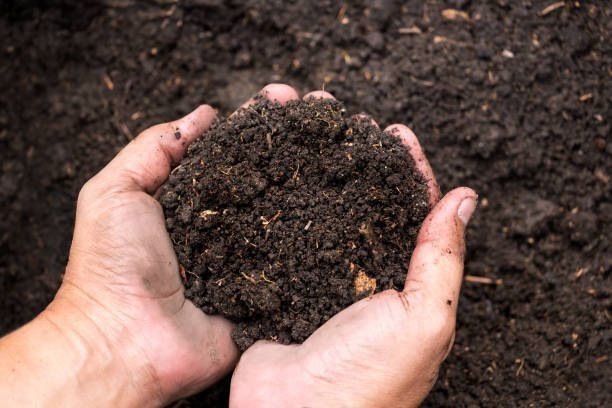
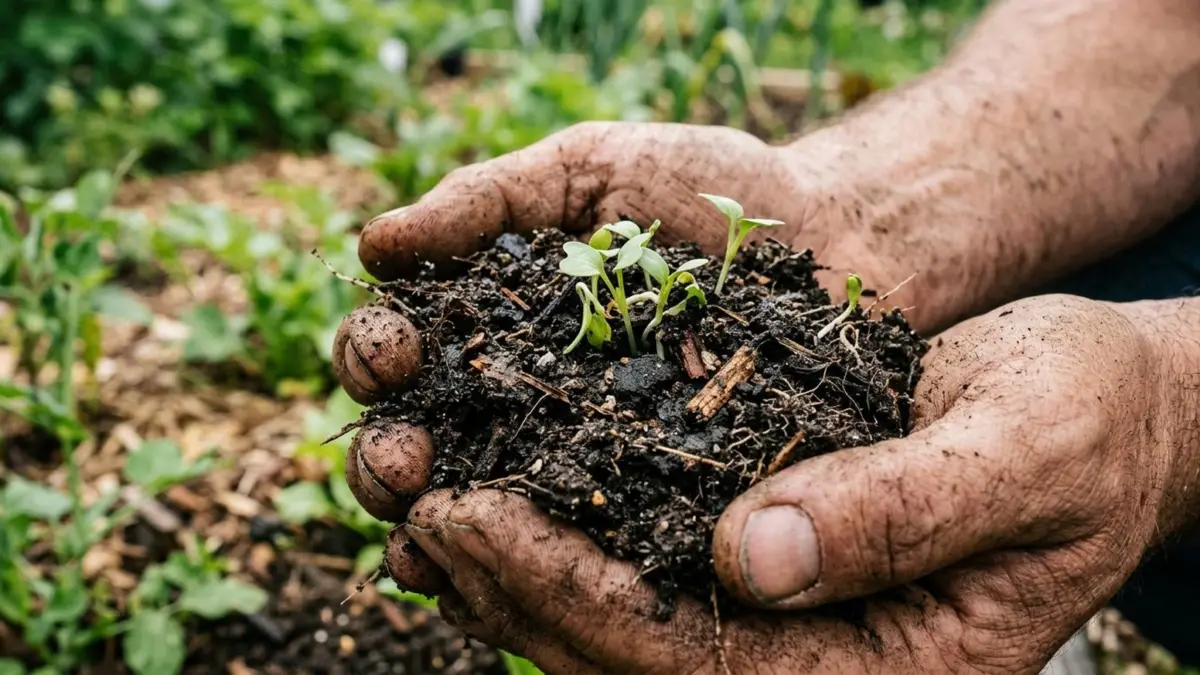
Soil microbes digest these into plant-available form — a slow, steady release that builds structure and feeds the soil web. Slower to correct a visible deficiency; unbeatable for long-term soil health, exactly the system built by our compost guide.

Synthetic (water-soluble granules and liquids)

Precise, fast, salt-based — plant roots drink them directly. Rapid green-up within days, exact NPK control, no soil-building. Overused, they salinize soil and bypass (eventually weaken) soil life.

The Hybrid Schedule That Works

Professionals layer both: compost and slow organic feed as the season’s foundation, then targeted synthetic boosts when crops demand speed — tomatoes at fruit set (low N), lawns at spring green-up, container crops leached by daily watering. Read the plant first: lush-no-fruit means too much nitrogen; pale-stalled growth means feed; exact patterns are in our pH and lockout guide.

Application Rules That Prevent Damage

  • Never fertilize dry soil — water first, feed after.
  • Half-strength twice beats full-strength once.
  • Stop high-N feeding 6–8 weeks before frost — soft growth winter-kills, per the calendar.
  • Fertilize sick plants only after fixing the cause — food is not medicine (see prevention).

Common Mistakes to Avoid

  • “Bloom booster” phosphorus everywhere — excess phosphorus pollutes and locks micronutrients; most garden soils already hold plenty.
  • Fresh manure on beds — burns roots and breeds weeds; compost it first per our guide.
  • Ignoring micronutrients — magnesium in citrus and palms, iron in alkaline soil; deficiencies have signatures, read in our diagnostic guide.

Frequently Asked Questions

Is organic food “better” for the plant?

Roots absorb the same ions either way — the difference is delivery speed and what happens to your soil over years. Organics build soil; synthetics feed plants. A garden needs both jobs done.

What’s the single best all-round feed?

Compost plus a balanced slow-release granule at planting covers 90% of needs; specialties come later — like the palm-specific mix discussed in our palm guide.

Brew something next: liquid gold via compost tea, or browse the hub.

The Amendment Safety Rules for fertilizer choice

Soil amendments are medicine — dosing matters. Compost: 2–3 cm top-dressing, up to 30% of a bed’s volume when digging new; more ties up nitrogen and loads phosphorus. Lime and sulfur: only after a test, only in the dose the test names, only retested after a season. Manure: composted or aged, never fresh on food beds. Wood ash: a liming agent, not a generic fertilizer — alkaline soils get worse, not better.

The meta-rule: change one variable, measure one season. Soil rewards patience with compounding and punishes enthusiasm with lockout.

The Irrigation Walk-Through for fertilizer choice

Monthly, walk the system end to end in fifteen minutes: filter opened and rinsed, first and last emitter compared (rate mismatch = pressure or clog), line ends flushed until clear, timer battery and program checked against the season, and one probe-test at the far bed to confirm depth wetted. Log runtimes and rainfall beside the timer.

The walk’s payoff is invisible until the heatwave, when the system that was verified keeps watering while the system that was assumed quietly strangles its far end.

Deep Dive: What Experienced Growers Know About fertilizer choice

Read the plant, not the label war: lush foliage without fruit convicts excess nitrogen; pale stalled growth convicts hunger; the diagnosis decides the tool. The hybrid schedule operationalizes it — compost as the season’s foundation, synthetic boosts only at crop-critical moments (fruit set, post-harvest recovery, leached containers) — and soil tests every few years keep the whole program honest. Feeding without reading is gardening’s most expensive guessing game.

Key Takeaways

  • Lockout: Nutrients present but chemically unavailable due to wrong pH.
  • Npk: Nitrogen (leaves), phosphorus (roots/bloom), potassium (vigor) — the label's job codes.
  • Aerated Tea: Compost brew oxygenated 24–36 hours to multiply aerobic microbes.
  • Matric Potential: The tension with which soil particles hold water; texture decides it.

More Questions About Fertilizer Choice

Is one fertilizer enough for the whole garden?

A balanced slow-release plus compost covers ninety percent; specialty feeds (tomato low-N, ericaceous, palm) fill the named gaps.

Can I overdo compost?

Rarely but yes — very high rates tie up nitrogen temporarily and can overload phosphorus over years. Two to three centimeters top-dressing is the steady dose.

Are 'bloom booster' products worth it?

Most soils hold abundant phosphorus already; boosters mostly enrich runoff. Low-N feeding at fruit set achieves the goal honestly.

Field Questions Answered

What's the fastest legal way to compost?

Hot composting: one cubic meter minimum, finely chopped materials, balanced greens-browns, turned weekly — finished in 6–10 weeks.

Can I fertilize and water at once?

Yes — fertigation through dilute feed in the watering can suits containers especially. Half-strength, weekly, after a plain-water flush monthly.

How deep should mulch be on clay vs sand?

Clay: 5 cm — thicker stays wet too long. Sand: up to 8 cm — every millimeter of protection counts against the strainer effect.

Do I need to test before every fertilizer purchase?

Plants are the test: read symptoms first, buy second. The soil lab test every 2–3 years keeps the purchases honest.

Common Mistakes to Avoid with Fertilizer Choice

  • Working clay soil wet — one spadeful bakes into pottery for the season.
  • Sand plus clay 'to fix' clay: the recipe is brick. Compost is the fix.
  • Liming 'just in case', locking out a new set of nutrients.
  • Fertilizing a mystery problem instead of diagnosing it first.
  • Bloom-booster phosphorus everywhere; most soils already hold decades' worth.

Further Field Questions

How do I improve soil without digging?

Top-dress compost twice yearly, mulch 5–8 cm deep, and let worms do the incorporation — no-dig beds build structure faster than forked ones.

Is rainwater really better for plants?

Yes — soft, slightly acidic, unchlorinated, and at ambient temperature. Every collector pays for itself in seedling health and acid-loving plants.

What's the fastest legal way to compost?

Hot composting: one cubic meter minimum, finely chopped materials, balanced greens-browns, turned weekly — finished in 6–10 weeks.

Can I fertilize and water at once?

Yes — fertigation through dilute feed in the watering can suits containers especially. Half-strength, weekly, after a plain-water flush monthly.

How deep should mulch be on clay vs sand?

Clay: 5 cm — thicker stays wet too long. Sand: up to 8 cm — every millimeter of protection counts against the strainer effect.

Do I need to test before every fertilizer purchase?

Plants are the test: read symptoms first, buy second. The soil lab test every 2–3 years keeps the purchases honest.

Further Field Questions

How do I improve soil without digging?

Top-dress compost twice yearly, mulch 5–8 cm deep, and let worms do the incorporation — no-dig beds build structure faster than forked ones.

Is rainwater really better for plants?

Yes — soft, slightly acidic, unchlorinated, and at ambient temperature. Every collector pays for itself in seedling health and acid-loving plants.

What's the fastest legal way to compost?

Hot composting: one cubic meter minimum, finely chopped materials, balanced greens-browns, turned weekly — finished in 6–10 weeks.

Can I fertilize and water at once?

Yes — fertigation through dilute feed in the watering can suits containers especially. Half-strength, weekly, after a plain-water flush monthly.

How deep should mulch be on clay vs sand?

Clay: 5 cm — thicker stays wet too long. Sand: up to 8 cm — every millimeter of protection counts against the strainer effect.

Do I need to test before every fertilizer purchase?

Plants are the test: read symptoms first, buy second. The soil lab test every 2–3 years keeps the purchases honest.

Further Field Questions

How do I improve soil without digging?

Top-dress compost twice yearly, mulch 5–8 cm deep, and let worms do the incorporation — no-dig beds build structure faster than forked ones.

Is rainwater really better for plants?

Yes — soft, slightly acidic, unchlorinated, and at ambient temperature. Every collector pays for itself in seedling health and acid-loving plants.

What's the fastest legal way to compost?

Hot composting: one cubic meter minimum, finely chopped materials, balanced greens-browns, turned weekly — finished in 6–10 weeks.

Can I fertilize and water at once?

Yes — fertigation through dilute feed in the watering can suits containers especially. Half-strength, weekly, after a plain-water flush monthly.

How deep should mulch be on clay vs sand?

Clay: 5 cm — thicker stays wet too long. Sand: up to 8 cm — every millimeter of protection counts against the strainer effect.

Do I need to test before every fertilizer purchase?

Plants are the test: read symptoms first, buy second. The soil lab test every 2–3 years keeps the purchases honest.

Further Field Questions

How do I improve soil without digging?

Top-dress compost twice yearly, mulch 5–8 cm deep, and let worms do the incorporation — no-dig beds build structure faster than forked ones.

Is rainwater really better for plants?

Yes — soft, slightly acidic, unchlorinated, and at ambient temperature. Every collector pays for itself in seedling health and acid-loving plants.

What's the fastest legal way to compost?

Hot composting: one cubic meter minimum, finely chopped materials, balanced greens-browns, turned weekly — finished in 6–10 weeks.

Can I fertilize and water at once?

Yes — fertigation through dilute feed in the watering can suits containers especially. Half-strength, weekly, after a plain-water flush monthly.

How deep should mulch be on clay vs sand?

Clay: 5 cm — thicker stays wet too long. Sand: up to 8 cm — every millimeter of protection counts against the strainer effect.

Do I need to test before every fertilizer purchase?

Plants are the test: read symptoms first, buy second. The soil lab test every 2–3 years keeps the purchases honest.

Further Field Questions

How do I improve soil without digging?

Top-dress compost twice yearly, mulch 5–8 cm deep, and let worms do the incorporation — no-dig beds build structure faster than forked ones.

Is rainwater really better for plants?

Yes — soft, slightly acidic, unchlorinated, and at ambient temperature. Every collector pays for itself in seedling health and acid-loving plants.

What's the fastest legal way to compost?

Hot composting: one cubic meter minimum, finely chopped materials, balanced greens-browns, turned weekly — finished in 6–10 weeks.

Can I fertilize and water at once?

Yes — fertigation through dilute feed in the watering can suits containers especially. Half-strength, weekly, after a plain-water flush monthly.

How deep should mulch be on clay vs sand?

Clay: 5 cm — thicker stays wet too long. Sand: up to 8 cm — every millimeter of protection counts against the strainer effect.

Do I need to test before every fertilizer purchase?

Plants are the test: read symptoms first, buy second. The soil lab test every 2–3 years keeps the purchases honest.

Further Field Questions

How do I improve soil without digging?

Top-dress compost twice yearly, mulch 5–8 cm deep, and let worms do the incorporation — no-dig beds build structure faster than forked ones.

Is rainwater really better for plants?

Yes — soft, slightly acidic, unchlorinated, and at ambient temperature. Every collector pays for itself in seedling health and acid-loving plants.

What's the fastest legal way to compost?

Hot composting: one cubic meter minimum, finely chopped materials, balanced greens-browns, turned weekly — finished in 6–10 weeks.

Can I fertilize and water at once?

Yes — fertigation through dilute feed in the watering can suits containers especially. Half-strength, weekly, after a plain-water flush monthly.

How deep should mulch be on clay vs sand?

Clay: 5 cm — thicker stays wet too long. Sand: up to 8 cm — every millimeter of protection counts against the strainer effect.

Do I need to test before every fertilizer purchase?

Plants are the test: read symptoms first, buy second. The soil lab test every 2–3 years keeps the purchases honest.

Part of the Soil, Water & Fertilizer hub

Follow the full learning path — every guide in this topic, in order.

Open the hub