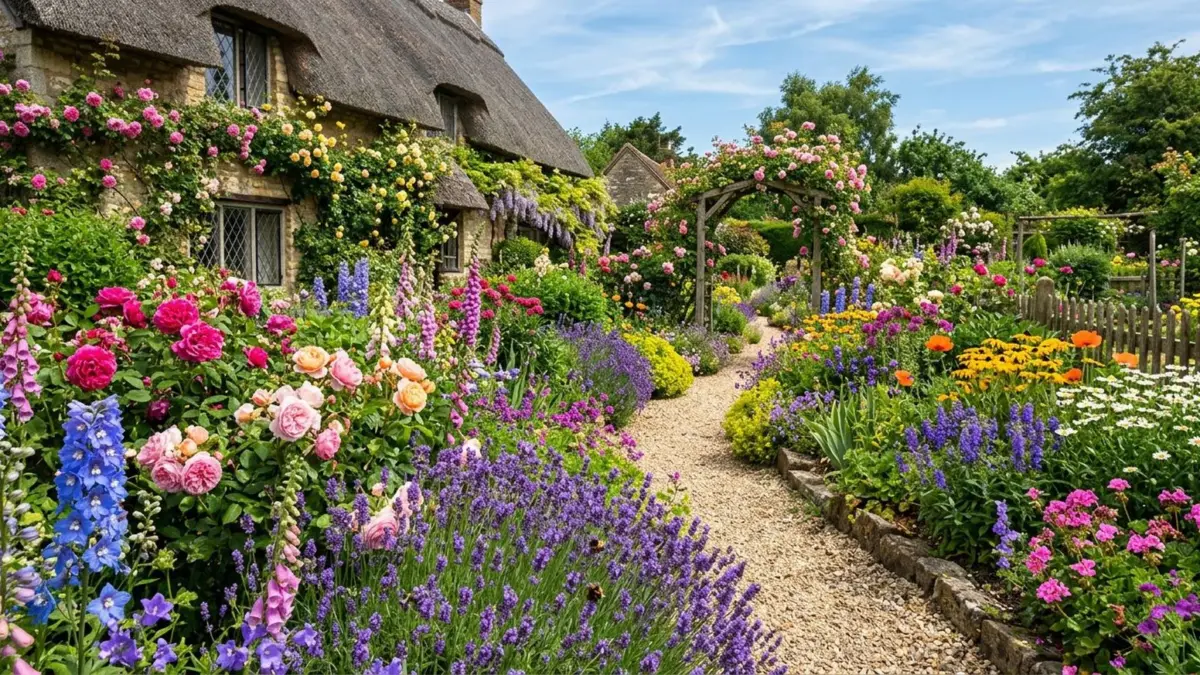
Quick answers
- What are the best flowers for a beginner cutting garden?
- Zinnias, cosmos, sunflowers, snapdragons, sweet peas, calendula and dahlias. They are easy from seed, flower heavily and keep producing the more you cut.
- How big should a cutting garden be?
- A bed about 1.2 × 3 m (4 × 10 ft) gives a steady supply of bouquets for one household. Rows 30–45 cm apart in full sun make cutting easy.
- When is the best time to cut flowers?
- Early morning or evening when stems are full of water. Cut into a bucket of clean, cool water and move it straight to a shady spot.
- How do I make cut flowers last longer?
- Use clean vases and cool water, strip leaves below the waterline, re-cut stems at an angle, change water every two days and keep bouquets away from heat and ripening fruit.
Key takeaways
- Grow flowers in rows, like vegetables. Rows are easier to plant, support, water and cut.
- Choose cut-and-come-again flowers. The more you pick, the more they produce.
- Cut at the right stage. Most flowers last longest when harvested as buds begin to open.
- Sow in succession every two to three weeks for continuous blooms until frost.
- Condition stems immediately. Clean buckets and cool water double vase life.
- Support tall flowers early with netting or stakes so stems stay straight.
Table of contents8 sections
A cutting garden is the most generous kind of garden: the more you pick, the more it gives. Unlike a decorative border, which you hesitate to raid, a cutting bed is built to be harvested. A few square metres of well-chosen annuals and perennials can fill vases from spring until the first frost, at a fraction of what florists charge.
This guide covers where to put the bed, which flowers to grow, how to sow in succession, and how to harvest and condition stems. It belongs to the Flower Gardening pillar and uses the ideas in Annuals vs Perennials and How to Plant Seeds Step by Step.
Choose the site and plan the bed
Cutting flowers want sun and good soil, just like vegetables. Pick a spot with at least six hours of direct sun, shelter from strong wind and a nearby water source. A bed that is tucked away behind the house is ideal, because you can plant it for production rather than for looks.
- Size: start with 1.2 × 3 m (4 × 10 ft), narrow enough to reach across.
- Layout: plant in straight rows 30–45 cm apart; tall flowers at the back or middle, short at the edges.
- Soil: loosen it and add 5 cm of compost before planting (see Understanding Your Soil Type).
- Support: stretch flower netting 30 cm above the soil on stakes; plants grow up through it and stems stay straight.
- Mulch: straw or compost between rows keeps weeds down and soil moist.
The best flowers to grow for cutting
| Flower | Type | Height | Cut when | Vase life |
|---|---|---|---|---|
| Zinnia | Annual | 60–100 cm | Fully open, stem firm (“wiggle test”) | 7–10 days |
| Cosmos | Annual | 90–150 cm | Flower just opening | 5–7 days |
| Sunflower (pollen-free) | Annual | 120–180 cm | Petals just unfurling | 7–10 days |
| Snapdragon | Annual or biennial | 60–90 cm | One-third of flowers open | 7–10 days |
| Sweet pea | Hardy annual | 1.8 m climber | Two or three buds open | 5–7 days |
| Calendula | Hardy annual | 30–60 cm | Fully open | 7 days |
| Dahlia | Tender perennial | 60–120 cm | Fully open | 5–7 days |
| Celosia | Annual | 40–90 cm | Fully developed head | 10–14 days (also dries) |
| Ammi / Queen Anne’s lace | Annual | 90–120 cm | Most of the head open | 7–10 days |
Add foliage and fillers such as dill, bronze fennel, eucalyptus, mint and ornamental grasses to make arrangements look professional. Perennials such as echinacea, rudbeckia, salvia and peonies give years of cutting from one planting.
Sowing and planting schedule
- Early spring: sow half-hardy annuals (zinnia, cosmos, snapdragon, celosia) indoors four to six weeks before your last frost. Direct-sow hardy annuals such as cornflower, calendula and ammi.
- After last frost: harden off and plant out seedlings 20–30 cm apart; plant dahlia tubers.
- Every 2–3 weeks: sow a second and third batch of zinnia, cosmos and sunflower for staggered harvests. Pinch young plants at 20–30 cm to force branching and more stems.
- Late summer to autumn: sow hardy annuals and biennials for next spring, and plant bulbs (see Flower Bulbs 101).
Find your dates with the seasonal planting calendar.
How to harvest
- Time of day: early morning or evening, when stems are turgid and cool.
- Tools: clean, sharp snips and a bucket with 10 cm of cool water.
- Stage: cut most flowers as buds start to open; a few, like zinnias and dahlias, only when fully open.
- Cut long: take stems down to a leaf joint, which encourages side shoots and more flowers.
Conditioning cut stems
- Strip leaves that would sit below the waterline; they rot and cloud the water.
- Re-cut stems at a 45° angle under water or just before they go into the vase.
- Treat woody stems (lilac, hydrangea, viburnum): split the base 2–3 cm or dip in hot water for 30 seconds.
- Rest in a cool, dark place for a few hours before arranging.
- Refresh the vase water every two days and trim stems again each time.
Keep bouquets away from fruit bowls. Ripening fruit gives off ethylene gas that makes flowers fade sooner.
Habits that undermine results
- Planting too shady a site; flowers become leggy with few blooms
- Not pinching seedlings, resulting in one stem per plant instead of many
- Waiting to cut until flowers are fully open, shortening vase life
- Letting plants go to seed; they stop producing flowers
- Skipping support, so wind lays flowers flat
Practical tips from experience
- Plant dahlias, sweet peas and zinnias as your “big three” for summer cutting.
- Grow flowers that dry well (celosia, statice, strawflower, ornamental grasses) for winter arrangements.
- Keep a notebook of sowing dates and varieties. Next year you will know exactly what to repeat.
Keep growing
Attract bees and hoverflies to your beds with Flowers That Attract Pollinators, plan colour combinations with Garden Color Theory, and extend the season with the Seasonal Gardening pillar. Back to Flower Gardening.
More in Flower Gardening
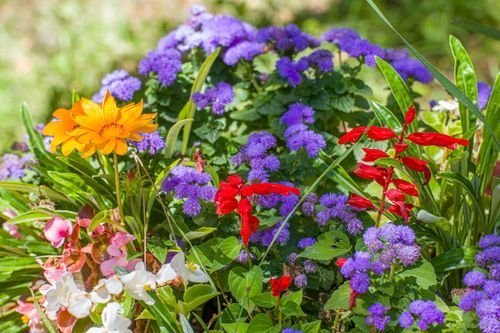
12 Flowering Plants That Laugh at Full Sun
Six-plus hours of blazing sun kills fussy flowers but powers these proven performers: the heat-proof bloomers that flower hardest exactly where others fry.
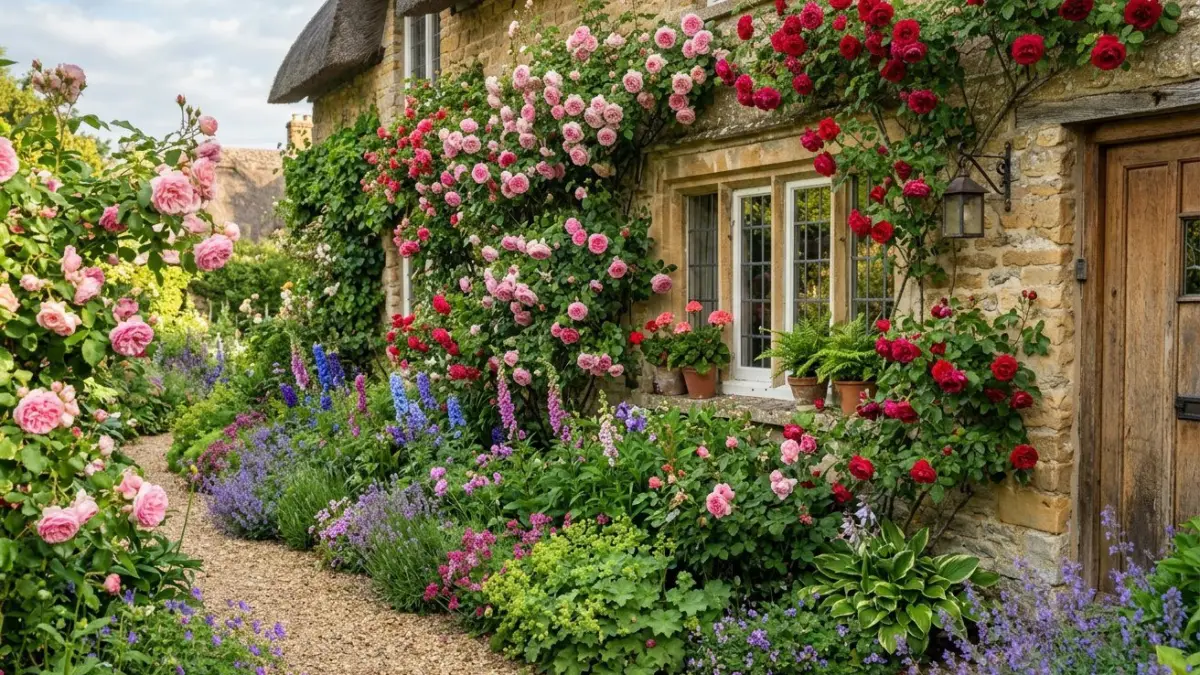
Shade-Loving Flowers: 10 Gorgeous Picks for Dark Corners
That shady corner is not a dead zone. From impatiens to hydrangeas, discover flowers that turn low light into your garden's most elegant room.
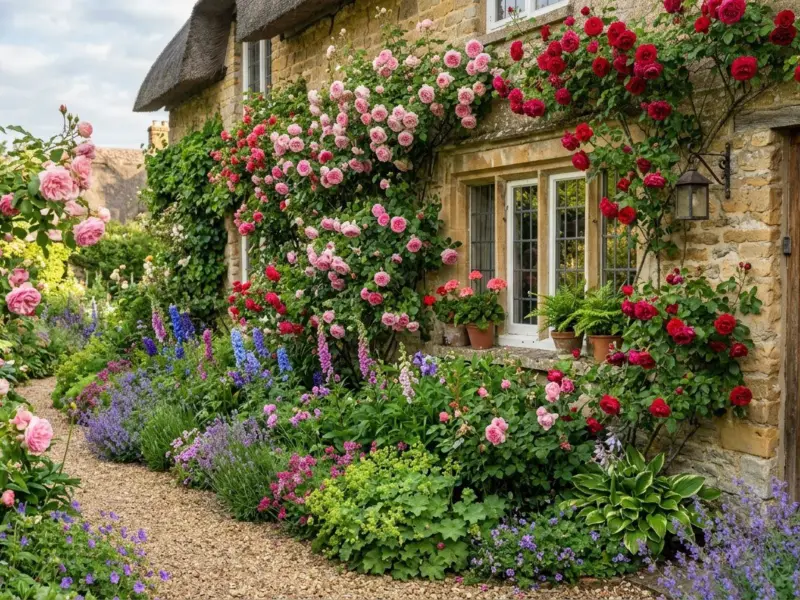
How to Grow Roses: The Complete Care Cycle
Choosing, planting, feeding, pruning and disease-proofing roses: one seasonal cycle that turns the world's most feared flower into an easy favorite.