Soil, Water & Fertilizer ✓ Reviewed & current

Understanding Your Soil Type: The Jar Test and Beyond

Every soil question — why water pools, why plants wilt between waterings, why fertilizer “does nothing” — traces back to soil texture. Identify yours in one afternoon and half your garden mysteries dissolve.

The Soil Cast

  • Sand: gritty, drains fast, dries fast, low nutrients
  • Silt: silky, holds moisture and nutrients well
  • Clay: sticky, nutrient-rich, drains slowly, compacts
  • Loam: the dream blend — holds water and air in balance

The Jar Test — Ten Minutes of Honest Science

Half-fill a clear jar with soil from your bed (not the bag), top with water, shake hard, and let it settle overnight. Sand sinks first, silt next, clay last as a fine cloud; measure the layers. Rub test as backup: gritty = sand, silky = silt, shiny-sticky when wet = clay. Now you know exactly who you are gardening with.

Gardening with Sandy Soil

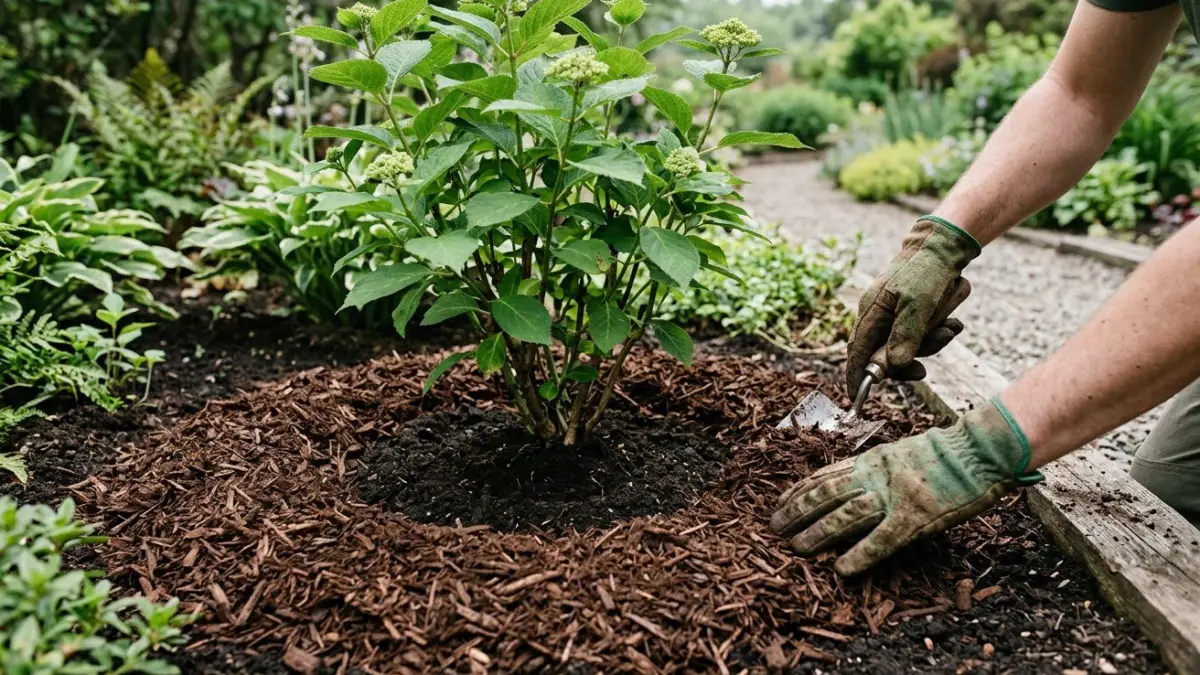
Sandy soil is a strainer: water and nutrients flow straight through. Your strategy is organic matter — generous compost worked in annually (the making of it is our compost guide), plus mulch to slow evaporation per our mulch guide. Water more often but lighter than average, and favor the drought-tolerant picks from our full-sun list.

Gardening with Clay Soil

Clay is a vault: rich in nutrients, slow to drain, rock-hard in drought. Never work it wet — one spade-turn of wet clay bakes into pottery. Your strategy is compost plus raised structure: raised beds (per our bed-building guide) and deep-rooted plants that bore natural drainage channels. Resist the sand amendment myth — sand plus clay makes brick; compost is the fix.

Structure Matters as Much as Texture

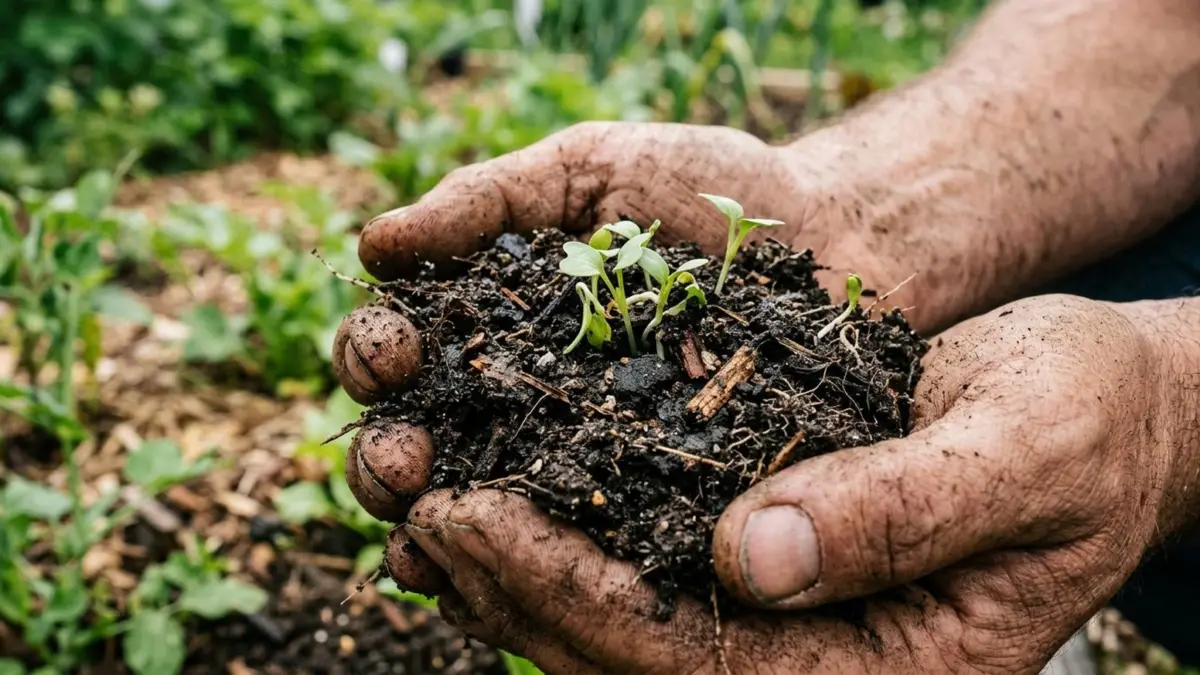
Texture is what you were given; structure is what you build. Crumbly, aggregate-rich structure comes from years of compost, minimal digging, and never walking on planting beds. Soil life — the fungi and worms detailed in our allies guide — does the tilling for you if you feed it and stop disrupting it.

Common Mistakes to Avoid

  • Working any soil soaking wet or dust dry — both destroy structure.
  • Buying “topsoil” blind — test it in a jar too; many are screened subsoil.
  • Treating all beds identically when the jar test says your yard holds both sand and clay zones.

Frequently Asked Questions

Can I change my soil type?

Texture, no; behavior, absolutely. Years of compost turn either sand or clay into loam-like performance — the goal is not new soil but better structure.

How often should I add compost?

A 2–3 cm top-dressing once or twice a year for most beds; sandy soils want it more often since they burn through organic matter faster.

Deepen the science: learn what those nutrients do in organic vs synthetic fertilizers, or explore the full soil, water and fertilizer hub.

The Amendment Safety Rules for soil types

Soil amendments are medicine — dosing matters. Compost: 2–3 cm top-dressing, up to 30% of a bed’s volume when digging new; more ties up nitrogen and loads phosphorus. Lime and sulfur: only after a test, only in the dose the test names, only retested after a season. Manure: composted or aged, never fresh on food beds. Wood ash: a liming agent, not a generic fertilizer — alkaline soils get worse, not better.

The meta-rule: change one variable, measure one season. Soil rewards patience with compounding and punishes enthusiasm with lockout.

The Irrigation Walk-Through for soil types

Monthly, walk the system end to end in fifteen minutes: filter opened and rinsed, first and last emitter compared (rate mismatch = pressure or clog), line ends flushed until clear, timer battery and program checked against the season, and one probe-test at the far bed to confirm depth wetted. Log runtimes and rainfall beside the timer.

The walk’s payoff is invisible until the heatwave, when the system that was verified keeps watering while the system that was assumed quietly strangles its far end.

Deep Dive: What Experienced Growers Know About soil types

The ribbon test refines the jar test in the field: moisten a walnut-sized ball and squeeze it between thumb and finger into a ribbon. Sandy soils refuse to ribbon; loams form short ones; clays ribbon long and shiny when compressed. Ten seconds per bed maps your garden’s texture zones — most yards hold at least two — and the map decides watering zones, amendment rates, and where raised beds beat in-ground forever.

Key Takeaways

  • Cation Exchange Capacity: The soil’s nutrient-holding battery; clay and humus are its plates.
  • Perched Water: Saturated layer above a texture change; why pots and layered soils drain oddly.
  • Lockout: Nutrients present but chemically unavailable due to wrong pH.
  • Npk: Nitrogen (leaves), phosphorus (roots/bloom), potassium (vigor) — the label’s job codes.

More Questions About Soil Types

Can I fix my soil in one season?

Structure moves visibly in one compost-and-mulch year; true loam-like behavior takes two to three. Texture never changes — behavior does, and behavior is everything.

Is bagged ‘topsoil’ trustworthy?

Test it like your own: jar test and weed watch. Many bags are screened subsoil with little organic life — blend, never trust alone.

Does soil color tell me anything?

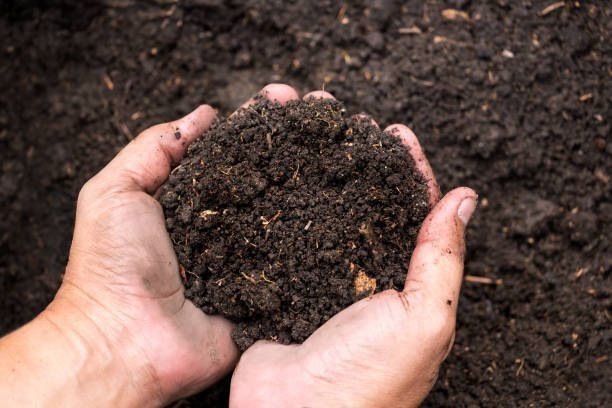
Yes — dark browns signal organic matter; rusty mottling signals seasonal waterlogging; pale gray means leached and hungry. Color is a free first read.

Field Questions Answered

How do I improve soil without digging?

Top-dress compost twice yearly, mulch 5–8 cm deep, and let worms do the incorporation — no-dig beds build structure faster than forked ones.

Is rainwater really better for plants?

Yes — soft, slightly acidic, unchlorinated, and at ambient temperature. Every collector pays for itself in seedling health and acid-loving plants.

What’s the fastest legal way to compost?

Hot composting: one cubic meter minimum, finely chopped materials, balanced greens-browns, turned weekly — finished in 6–10 weeks.

Can I fertilize and water at once?

Yes — fertigation through dilute feed in the watering can suits containers especially. Half-strength, weekly, after a plain-water flush monthly.

Common Mistakes to Avoid with Soil Types

  • Working clay soil wet — one spadeful bakes into pottery for the season.
  • Sand plus clay ‘to fix’ clay: the recipe is brick. Compost is the fix.
  • Liming ‘just in case’, locking out a new set of nutrients.
  • Fertilizing a mystery problem instead of diagnosing it first.
  • Bloom-booster phosphorus everywhere; most soils already hold decades’ worth.

Further Field Questions

How do I improve soil without digging?

Top-dress compost twice yearly, mulch 5–8 cm deep, and let worms do the incorporation — no-dig beds build structure faster than forked ones.

Is rainwater really better for plants?

Yes — soft, slightly acidic, unchlorinated, and at ambient temperature. Every collector pays for itself in seedling health and acid-loving plants.

What’s the fastest legal way to compost?

Hot composting: one cubic meter minimum, finely chopped materials, balanced greens-browns, turned weekly — finished in 6–10 weeks.

Can I fertilize and water at once?

Yes — fertigation through dilute feed in the watering can suits containers especially. Half-strength, weekly, after a plain-water flush monthly.

How deep should mulch be on clay vs sand?

Clay: 5 cm — thicker stays wet too long. Sand: up to 8 cm — every millimeter of protection counts against the strainer effect.

Do I need to test before every fertilizer purchase?

Plants are the test: read symptoms first, buy second. The soil lab test every 2–3 years keeps the purchases honest.

Further Field Questions

How do I improve soil without digging?

Top-dress compost twice yearly, mulch 5–8 cm deep, and let worms do the incorporation — no-dig beds build structure faster than forked ones.

Is rainwater really better for plants?

Yes — soft, slightly acidic, unchlorinated, and at ambient temperature. Every collector pays for itself in seedling health and acid-loving plants.

What’s the fastest legal way to compost?

Hot composting: one cubic meter minimum, finely chopped materials, balanced greens-browns, turned weekly — finished in 6–10 weeks.

Can I fertilize and water at once?

Yes — fertigation through dilute feed in the watering can suits containers especially. Half-strength, weekly, after a plain-water flush monthly.

How deep should mulch be on clay vs sand?

Clay: 5 cm — thicker stays wet too long. Sand: up to 8 cm — every millimeter of protection counts against the strainer effect.

Do I need to test before every fertilizer purchase?

Plants are the test: read symptoms first, buy second. The soil lab test every 2–3 years keeps the purchases honest.

Further Field Questions

How do I improve soil without digging?

Top-dress compost twice yearly, mulch 5–8 cm deep, and let worms do the incorporation — no-dig beds build structure faster than forked ones.

Is rainwater really better for plants?

Yes — soft, slightly acidic, unchlorinated, and at ambient temperature. Every collector pays for itself in seedling health and acid-loving plants.

What’s the fastest legal way to compost?

Hot composting: one cubic meter minimum, finely chopped materials, balanced greens-browns, turned weekly — finished in 6–10 weeks.

Can I fertilize and water at once?

Yes — fertigation through dilute feed in the watering can suits containers especially. Half-strength, weekly, after a plain-water flush monthly.

How deep should mulch be on clay vs sand?

Clay: 5 cm — thicker stays wet too long. Sand: up to 8 cm — every millimeter of protection counts against the strainer effect.

Do I need to test before every fertilizer purchase?

Plants are the test: read symptoms first, buy second. The soil lab test every 2–3 years keeps the purchases honest.

Further Field Questions

How do I improve soil without digging?

Top-dress compost twice yearly, mulch 5–8 cm deep, and let worms do the incorporation — no-dig beds build structure faster than forked ones.

Is rainwater really better for plants?

Yes — soft, slightly acidic, unchlorinated, and at ambient temperature. Every collector pays for itself in seedling health and acid-loving plants.

What’s the fastest legal way to compost?

Hot composting: one cubic meter minimum, finely chopped materials, balanced greens-browns, turned weekly — finished in 6–10 weeks.

Can I fertilize and water at once?

Yes — fertigation through dilute feed in the watering can suits containers especially. Half-strength, weekly, after a plain-water flush monthly.

How deep should mulch be on clay vs sand?

Clay: 5 cm — thicker stays wet too long. Sand: up to 8 cm — every millimeter of protection counts against the strainer effect.

Do I need to test before every fertilizer purchase?

Plants are the test: read symptoms first, buy second. The soil lab test every 2–3 years keeps the purchases honest.

Further Field Questions

How do I improve soil without digging?

Top-dress compost twice yearly, mulch 5–8 cm deep, and let worms do the incorporation — no-dig beds build structure faster than forked ones.

Is rainwater really better for plants?

Yes — soft, slightly acidic, unchlorinated, and at ambient temperature. Every collector pays for itself in seedling health and acid-loving plants.

What’s the fastest legal way to compost?

Hot composting: one cubic meter minimum, finely chopped materials, balanced greens-browns, turned weekly — finished in 6–10 weeks.

Can I fertilize and water at once?

Yes — fertigation through dilute feed in the watering can suits containers especially. Half-strength, weekly, after a plain-water flush monthly.

How deep should mulch be on clay vs sand?

Clay: 5 cm — thicker stays wet too long. Sand: up to 8 cm — every millimeter of protection counts against the strainer effect.

Do I need to test before every fertilizer purchase?

Plants are the test: read symptoms first, buy second. The soil lab test every 2–3 years keeps the purchases honest.

Further Field Questions

How do I improve soil without digging?

Top-dress compost twice yearly, mulch 5–8 cm deep, and let worms do the incorporation — no-dig beds build structure faster than forked ones.

Is rainwater really better for plants?

Yes — soft, slightly acidic, unchlorinated, and at ambient temperature. Every collector pays for itself in seedling health and acid-loving plants.

What’s the fastest legal way to compost?

Hot composting: one cubic meter minimum, finely chopped materials, balanced greens-browns, turned weekly — finished in 6–10 weeks.

Can I fertilize and water at once?

Yes — fertigation through dilute feed in the watering can suits containers especially. Half-strength, weekly, after a plain-water flush monthly.

How deep should mulch be on clay vs sand?

Clay: 5 cm — thicker stays wet too long. Sand: up to 8 cm — every millimeter of protection counts against the strainer effect.

Do I need to test before every fertilizer purchase?

Plants are the test: read symptoms first, buy second. The soil lab test every 2–3 years keeps the purchases honest.

Part of the Soil, Water & Fertilizer hub

Follow the full learning path — every guide in this topic, in order.

Open the hub